Peshawar Waltz
1994
No user ratings available yet
Representation score: 2.1 out of 10
Representation Score
Good
1988
Director
Ousmane Sembène, Thierno Faty Sow
Runtime
154 minutes
Average Rating
No ratings yetNew Showbiz Analysis
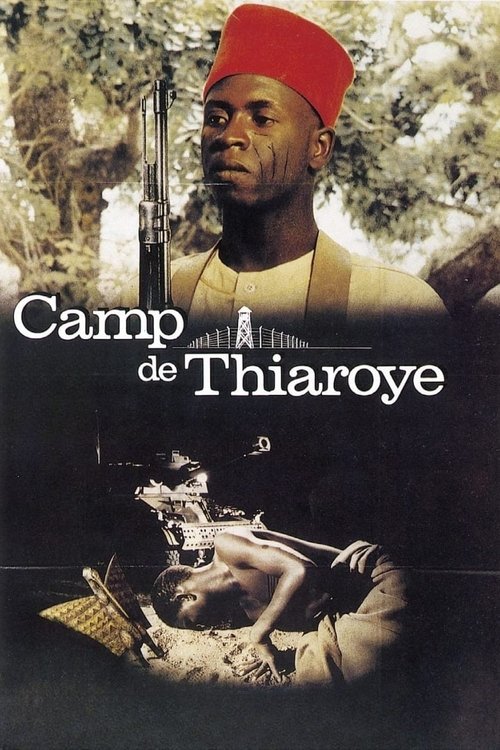
Camp de Thiaroye is a powerful exercise in historical revisionism. By centering the African experience within the context of the French Free Army, it challenges traditional Eurocentric views of global conflict. The film uses the soldiers' struggle against wage theft and systemic corruption to question the moral authority of colonial institutions. While the film excels in racial and cultural depth, it remains constrained by its masculine military setting. The lack of gendered ability to act and queer representation reflects the historical period's rigid structures rather than a lack of narrative intent. Ultimately, the film succeeds by transforming a specific historical event into a broader critique of systemic exploitation. It provides significant weight to the psychological toll of war through its depiction of trauma.
Category Breakdown
The film focuses on military hierarchy and socio-political struggles. It lacks explicit depictions of queer identities, reflecting the rigid structures of colonial military life.
The narrative centers on male soldiers within a patriarchal military framework. While women appear in domestic roles, they have less influence compared to the male protagonists.
The film centers on underrepresented identities by focusing on the Tirailleurs Sénégalais. It disrupts Eurocentric war clichés by replacing white-centric perspectives with a predominantly Black African cast.
The story provides a sophisticated critique of French colonial corruption. It deconstructs the 'civilizing mission' by framing colonial administration and economic mechanisms as predatory and oppressive.
The character Pays offers a harrowing depiction of psychological trauma. His reliance on guttural sounds serves as a visceral representation of the invisible wounds caused by war.
Present on Screen
Limited or Absent
Official Synopsis
A Senegalese platoon of soldiers from the French Free Army return from combat and are temporarily held in a military encampment with barbed wire fences and guard towers in the desert. Among them are charismatic Sergeant Diatta, educated in Paris and has a French wife and child, and Pays, a soldier left in a state of shock who can only communicate in guttural screams and grunts.
1994
1959
2020
1959
2010
1965
1971
1987
No reviews yet. Be the first to share your thoughts on this movie!
Use the rating form above to leave a star rating and optional review.