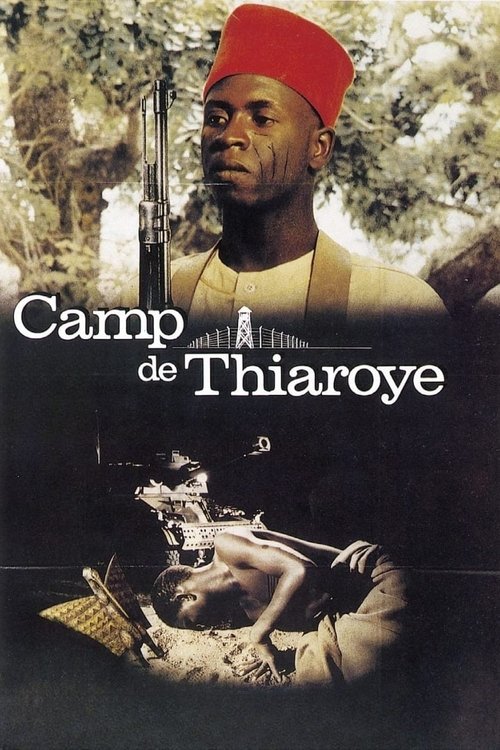
Camp de Thiaroye
1988
No user ratings available yet
Representation score: 6.4 out of 10
Representation Score
Good
2020
Director
Diego Mondaca
Runtime
80 minutes
Average Rating
No ratings yetNew Showbiz Analysis
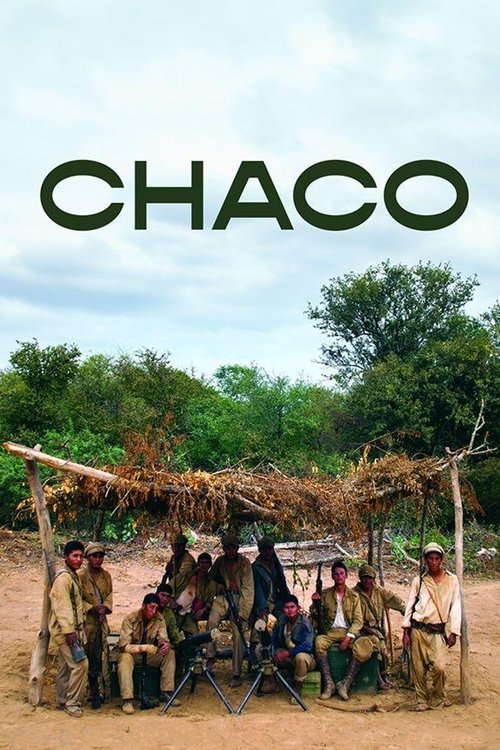
Chaco is a significant piece of regional cinema that deconstructs the myth of military glory. By focusing on indigenous soldiers, it shifts the perspective away from Eurocentric war narratives toward a more underrepresented, authentic viewpoint. The film excels in racial and ethnic representation, using the Chaco setting to explore the lived experience of indigenous people. It replaces traditional heroism with a fatalistic look at systemic vulnerability and the inevitable condition of a defeated troop. However, the film is limited by a narrow gender focus, as the narrative is almost entirely centered on the male experience of combat. While it provides a deep study of human endurance, it lacks broader social diversity.
Category Breakdown
The film does not explicitly address LGBTQ+ identities or non-straight relationships. The narrative focuses on the survival struggles of the soldiers.
The story primarily centers on the male experience of war. While it challenges traditional heroic archetypes, the lack of significant roles for women limits the scope of representation.
Indigenous Bolivian soldiers play key roles in the film, serving as primary witnesses to the conflict. This approach highlights the ability to act of characters of color, moving beyond including someone from a minority group without giving them real depth.
The film critiques traditional patriotic narratives by depicting the war as a descent into hell. It emphasizes the systemic failure of the state over nationalistic pride.
The film examines the physical and psychological impact of the harsh environment. It studies the endurance of the senses and body in a brutal landscape.
Present on Screen
Limited or Absent
Official Synopsis
In 1934, Bolivia is at war with Paraguay. Liborio and Ticona and other Bolivian indigenous soldiers are lost in the hell of the Chaco, under the commandment of German Captain Kundt. They're looking for the Paraguayan enemy that they haven't seen for months, and that they will never find. They leave together in a search that will make them realize, progressively, the destiny they have been pushed into and the inevitable condition of a defeated troop. They're walking like shadows, wandering forever in the middle of dust and silence.
1988
1961
2015

2016
2018

2014
1972
2014
No reviews yet. Be the first to share your thoughts on this movie!
Use the rating form above to leave a star rating and optional review.