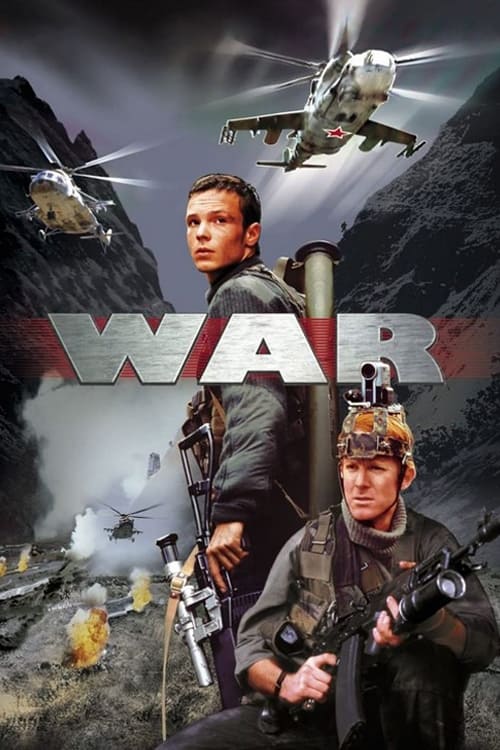
War
2002
No user ratings available yet
Representation score: 3.9 out of 10
Representation Score
Limited
1994
Director
Timur Bekmambetov, Gennady Kayumov
Runtime
86 minutes
Average Rating
No ratings yetNew Showbiz Analysis
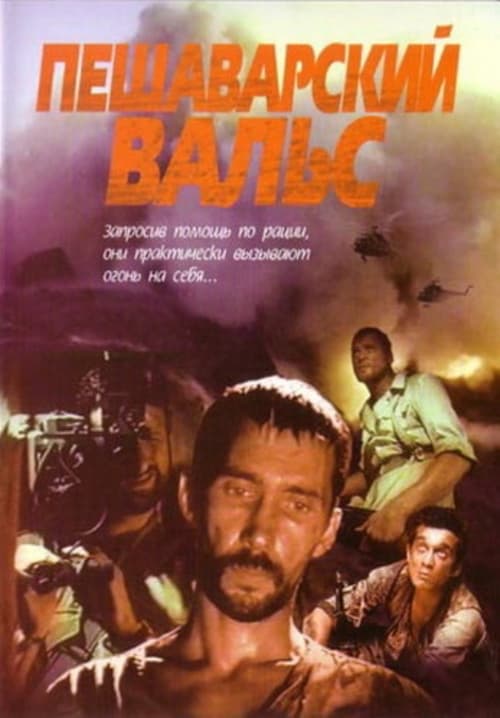
Peshawar Waltz is a grim war drama that prioritizes the visceral realities of captivity and systemic brutality over diverse character development. The narrative structure relies heavily on traditional masculine archetypes, centering on a male journalist and medic navigating a high-conflict zone. While the Afghan-Pakistan border setting provides an inherent opportunity for ethnic diversity, the film's perspective remains largely Western. The focus on the 'barbarity' of the prisoners suggests a framework that may reinforce conventional views of conflict rather than offering a nuanced critique of the geopolitical struggle. Ultimately, the film functions as a survivalist drama. It lacks representation for LGBTQ+ communities and individuals with disabilities, focusing instead on the narrow, intense lens of wartime documentation and institutional collapse.
Category Breakdown
The film does not include any LGBTQ+ characters or non-straight identities. The story focuses on journalistic and medical perspectives within a military conflict.
The story is driven by male protagonists who act in traditional roles of observation and crisis management. There is a notable lack of women's ability to drive the story or presence among the main characters.
The setting requires a diverse cast of Afghan and Pakistani individuals. However, it remains unclear if these characters have significant roles or if they merely serve as subjects for the protagonists' observations.
The film explores systemic oppression and the breakdown of institutional order. The portrayal of prisoner actions as 'barbarity' may reinforce a Western perspective of 'othering' the local combatants.
There is no documented evidence of characters with visible or invisible disabilities. Disability is not used as a narrative device in this war drama.
Present on Screen
Limited or Absent
Official Synopsis
During the Russian war with Afghanistan in the 1980s, journalist Charlie Palmer and medic Victor Davis arrive at a P.O.W. camp near the Afghanistan/Pakistan border in order to document the sub-human conditions which the prisoners are forced to endure. During their visit, the prisoners seize control of the camp and begin to enact a series of terrible and bloody punishments on their captors. Held as hostages, Palmer and Davis are forced to witness acts of barbarity unlike any they have ever seen before.
2002
1997
1987
1959
2005
1988
1988
1965
No reviews yet. Be the first to share your thoughts on this movie!
Use the rating form above to leave a star rating and optional review.