
Depeche Mode: Strange
1988
No user ratings available yet
Representation score: 4.1 out of 10
Representation Score
Good
1998
Director
Anton Corbijn, Martyn Atkins, Peter Care
Runtime
126 minutes
Average Rating
No ratings yetNew Showbiz Analysis
This compilation is a significant artifact of alternative visual culture that excels at challenging traditional pop imagery. It uses sophisticated cinematography to question gendered and queer-coded expectations through androgyny and stylized desire. However, the collection's impact is limited by a lack of racial diversity and a total absence of disability representation. The highly stylized, aesthetic-driven framework prioritizes the performers' bodies over a broader range of human experiences. Ultimately, while the work succeeds in deconstructing the 'pop star' icon, its narrow demographic focus reflects the production constraints and stylistic leanings of its era.
Category Breakdown
The collection uses queer-themed visuals and non-traditional gender expressions to challenge assumptions about gender. It employs androgyny and stylized desire to question traditional gender norms through an alternative cultural perspective.
Each video explores complex power dynamics and challenges traditional gender roles. Masculinity is portrayed through vulnerability and stylized obsession, complicating traditional views of masculinity and femininity.
The visual environment is predominantly homogeneous, reflecting the demographics of the 1980s and 90s alternative scene. The casting does not intentionally include diverse racial backgrounds, focusing mainly on band members and models.
Themes are largely secular and existential, emphasizing personal emotions over institutional morality. Urban decay is used as a critique of polished, consumerist perfection.
There are no characters or narratives centered around physical or neurodevelopmental disabilities. The focus remains almost entirely on the aestheticized bodies of performers.
Present on Screen
Limited or Absent
Official Synopsis
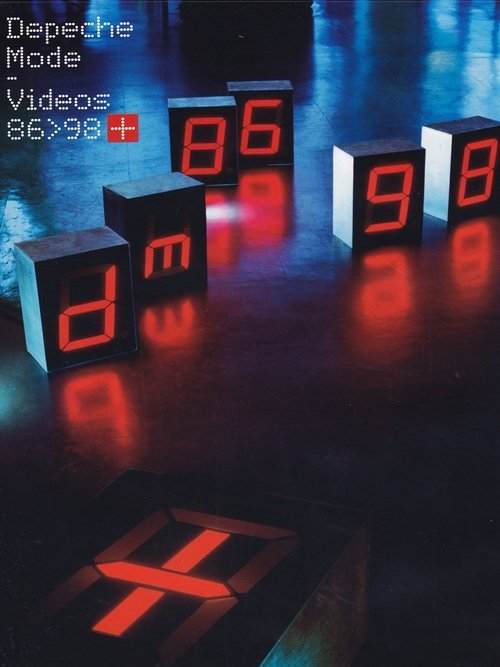
The Videos 86>98 is a music video compilation by Depeche Mode, featuring almost two dozen music videos directed by a variety of directors, released in 1998. It coincides with The Singles 86>98. The original movie was released on VHS and DVD. There was however a special edition, DVD only, called Videos 86>98 + (without "The", and with "+") released in 2002. The DVD was two discs, the first disc being identical to the only disc in the original DVD, while the second DVD contains bonus material not found in the original release.
1988
1990
2002

1991

1990

1998
2001
2003
No reviews yet. Be the first to share your thoughts on this movie!
Use the rating form above to leave a star rating and optional review.