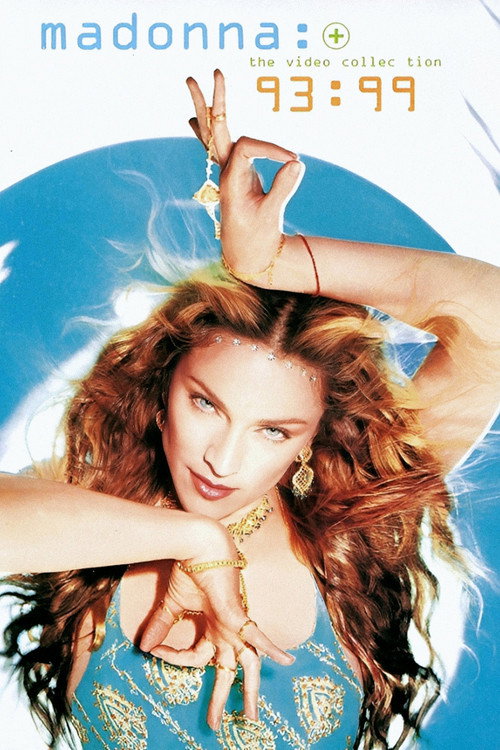
Madonna: The Video Collection 93:99
1999
No user ratings available yet
Representation score: 9.2 out of 10
Representation Score
Good
1990
PGDirector
Michele Ferrone, Bruce Gowers, Arthur Pierson, Jean-Baptiste Mondino, James Foley, Mary Lambert, David Fincher, Herb Ritts
Runtime
60 minutes
Average Rating
No ratings yetNew Showbiz Analysis
This compilation serves as a visual archive that intentionally disrupts social hierarchies. By utilizing high-concept storytelling, the work challenges traditional gender binaries and institutional power structures. The collection excels in subverting the male gaze and centering female empowerment. It also engages in sophisticated critiques of organized religion and capitalism. While racial diversity is progressive for its time, the collection remains largely centered on pop media constraints. It lacks specific representation regarding disability.
Category Breakdown
The collection uses queer aesthetics to disrupt traditional visual language. 'Express Yourself' specifically employs imagery that blurs gender lines and non-traditional gender presentations to challenge the traditional gender binary.
Madonna dismantles submissive femininity through various personas. The work deconstructs the male gaze, replacing traditional domestic roles with depictions of female empowerment, autonomy, and sexual sovereignty.
The visual palette demonstrates a progressive approach to casting for the era. 'La Isla Bonita' and dance sequences incorporate diverse ethnic identities and global aesthetics.
The work critiques Western institutions through religious iconography and postmodern satire. It prioritizes individual expression and secularized spirituality over rigid institutional dogma.
The collection focuses heavily on physical movement and dance. There are no prominent or specific depictions of visible or invisible disabilities present.
Present on Screen
Limited or Absent
Official Synopsis
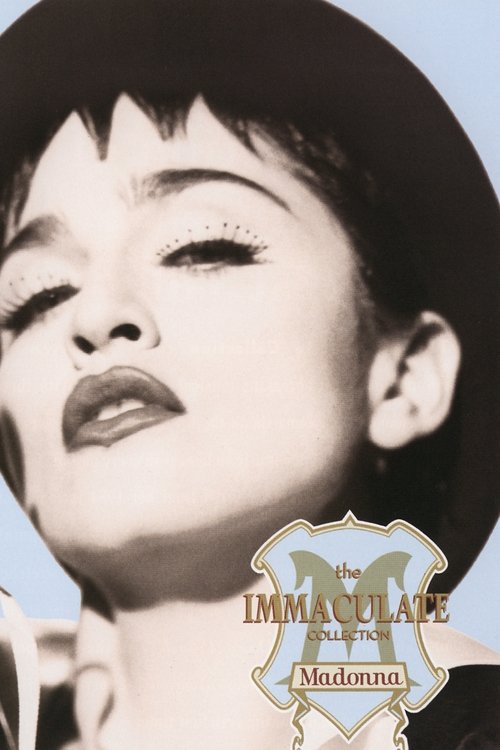
The Immaculate Collection is the first commercially released greatest videos compilation by singer Madonna. Released on November 13, 1990 to accompany the audio CD, it contained hits spanning 1983-1990. The collection won "Best Long Form Video" category at the 1991 MTV Video Music Awards. Includes the following videos: 1. Lucky Star 2. Borderline 3. Like a Virgin 4. Material Girl 5. Papa Don't Preach 6. Open Your Heart 7. La Isla Bonita 8. Like a Prayer 9. Express Yourself 10. Cherish 11. Oh Father 12. Vogue 13. Vogue (1990 MTV Awards Show Performance)
1999
1995

2004
1993
2002
2003
2006

2004
No reviews yet. Be the first to share your thoughts on this movie!
Use the rating form above to leave a star rating and optional review.