
Depeche Mode: Strange Too
1990
No user ratings available yet
Representation score: 3.2 out of 10
Representation Score
Fair
1988
Director
Anton Corbijn
Runtime
30 minutes
Average Rating
No ratings yetNew Showbiz Analysis
Anton Corbijn’s Super-8 compilation is an aesthetic triumph that deconstructs the pop star archetype through stark, high-contrast cinematography. It successfully rejects the high-gloss commercialism of the 1980s in favor of a moody, postmodern atmosphere. However, the work is demographically narrow, focusing almost exclusively on the band members. This results in a lack of diverse representation across racial and gender lines. Ultimately, the film's progressive nature is found in its visual language rather than its social or demographic breadth.
Category Breakdown
The compilation focuses on the band members and their musical interpretation. Though the aesthetic aligns with queer-coded late 80s alternative sensibilities, there are no explicit LGBTQ+ characters or identity narratives.
The visual focus centers on the male members of Depeche Mode. While the work avoids reinforcing traditional gender hierarchies, it lacks diverse gender dynamics or the active subversion of gendered power structures.
The visual palette is dominated by the band and desolate landscapes. There is no significant evidence of a diverse cast or the use of race-bent casting.
The film adopts a secular, atmospheric tone by prioritizing mood over religious or patriotic iconography. It lacks explicit systemic critique to achieve a higher cultural representation score.
There are no discernible depictions of physical or neurodivergent disabilities. No characters are portrayed through the lens of disability within the footage.
Present on Screen
Limited or Absent
Official Synopsis
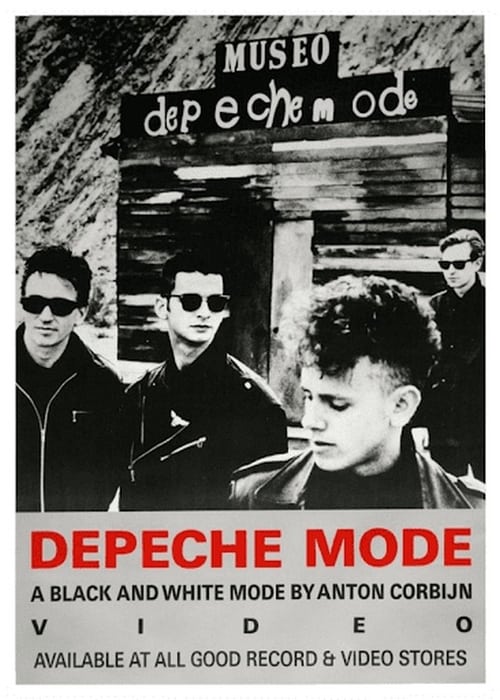
Strange - A Black and White Mode by Anton Corbijn is the second music video compilation by Depeche Mode, featuring the first five Depeche Mode videos directed by Anton Corbijn, released in 1988. Corbijn shot the entire video album in Super-8. The five videos are mostly in black and white, except for some random megaphones that were colored red. There were the three main singles for Music for the Masses, the final Black Celebration single "A Question of Time", and "Pimpf", the instrumental closer to Music for the Masses. The "Pimpf" video is currently exclusive to "Strange".
1990
1981
1998

1991
1987
2001
2003
2003
No reviews yet. Be the first to share your thoughts on this movie!
Use the rating form above to leave a star rating and optional review.