
That's Adequate
1989
No user ratings available yet
Representation score: 3.0 out of 10
Representation Score
Fair
1995
Director
Trey Parker
Runtime
14 minutes
Average Rating
No ratings yetNew Showbiz Analysis
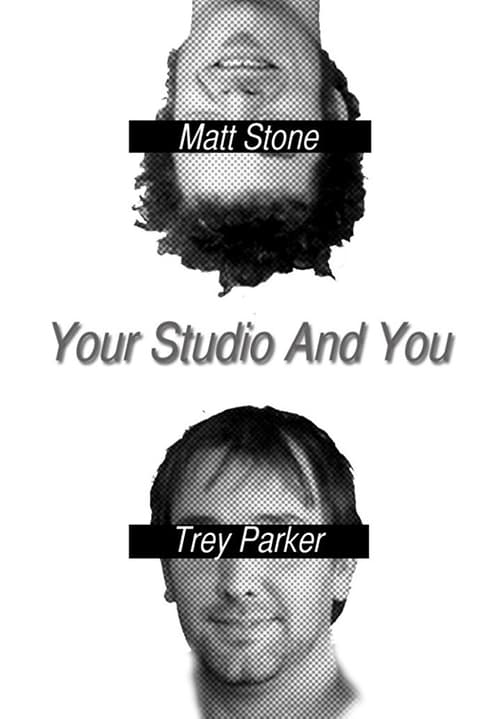
Your Studio and You operates as a satirical deconstruction of mid-century corporate propaganda. By mimicking the aesthetics of 1950s industrial films, the work targets the rigid social structures of that era for critique rather than endorsement. The film's primary impact is systemic. It focuses on the power dynamics of studio acquisitions, using parody to dismantle the authority of institutionalism and corporate hegemony. While specific demographic representation is hard to verify, the narrative's structural intent prioritizes subverting traditional hierarchies through the lens of industry satire.
Category Breakdown
The film does not include specific LGBTQ+ characters or stories based on the available synopsis. The score reflects a neutral baseline typical for period parodies centered on corporate satire.
As a parody of 1950s industrial films, the work engages with the gender stereotypes of that era. It likely uses these clichés to highlight their absurdity through comedic deconstruction.
The focus remains on studio executives and industry cameos. While the 1950s era was historically homogeneous, the satire may emphasize the exclusionary nature of that corporate landscape.
The film critiques corporate capitalism and the deconstruction of institutional power. By satirizing the Universal/Seagram acquisition, it challenges the sanctity of Western corporate institutions.
No specific information is available regarding the portrayal of disability or neurodivergence.
Present on Screen
Limited or Absent
Official Synopsis
A parody of 1950s corporate/industrial films, commissioned by Universal Pictures executives after the studio's purchase by Seagrams, and featuring cameos by many stars and directors.
1989

1997
2004

2011

1999
2003

1999
2005
No reviews yet. Be the first to share your thoughts on this movie!
Use the rating form above to leave a star rating and optional review.