Jackass: Gumball Rally 3000 Special
2002
No user ratings available yet
Representation score: 2.2 out of 10
Representation Score
Limited
2001
RDirector
Bam Margera, Brandon DiCamillo
Runtime
41 minutes
Average Rating
No ratings yetNew Showbiz Analysis
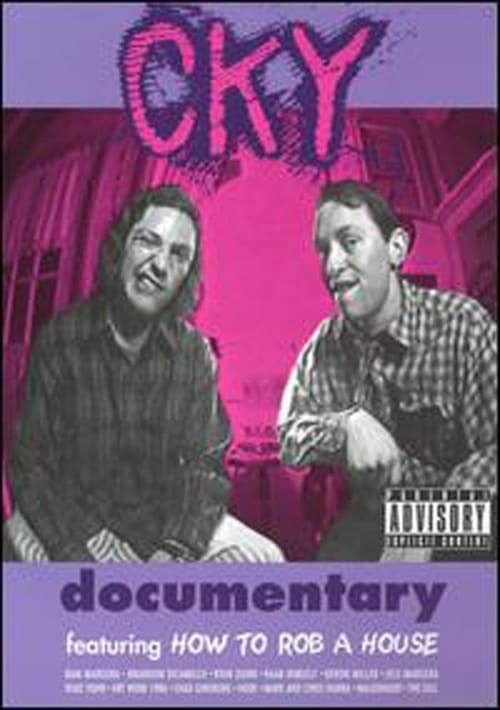
The CKY Documentary captures a specific, localized skate and stunt subculture. Its identity is rooted in a DIY, non-conformist aesthetic that emphasizes chaotic social interactions over structured narrative or broad representation. While the film finds strength in celebrating anti-social behavior and rejecting traditional etiquette, it remains highly homogeneous. It reinforces traditional demographic hierarchies through the exclusion of diverse identities. Ultimately, the work prioritizes the lived experiences of a specific, non-diverse social group, offering limited engagement with gender dynamics, racial diversity, or disability representation.
Category Breakdown
The film does not include any LGBTQ+ characters or stories. It focuses on a social circle centered around straight relationships typical of early 2000s skate culture.
The story primarily revolves around male-centric activities and friendships. It lacks significant female presence or involvement.
The documentary reflects the demographic uniformity of localized, suburban skate communities. There is no indication of intentional efforts to include diverse racial backgrounds.
The film celebrates irreverence towards authority and social norms. It portrays pranks and property damage as rebellious acts against traditional institutions.
The film does not feature any characters with disabilities. The focus on high-risk physical stunts does not provide a platform for meaningful representation of individuals with disabilities.
Present on Screen
Limited or Absent
Official Synopsis
Clips from CKY, CKY2K, and CKY 3 as well as some new clips with commentary from the cast and crew in between. It also includes the infamous "How To Rob a House" sketch.
2002

2022
2002

2011
1997
2007
2010

2022
No reviews yet. Be the first to share your thoughts on this movie!
Use the rating form above to leave a star rating and optional review.