Histoire(s) du Cinéma 3b: A New Wave
2006
No user ratings available yet
Representation score: 9.4 out of 10
Representation Score
Fair
1997
Director
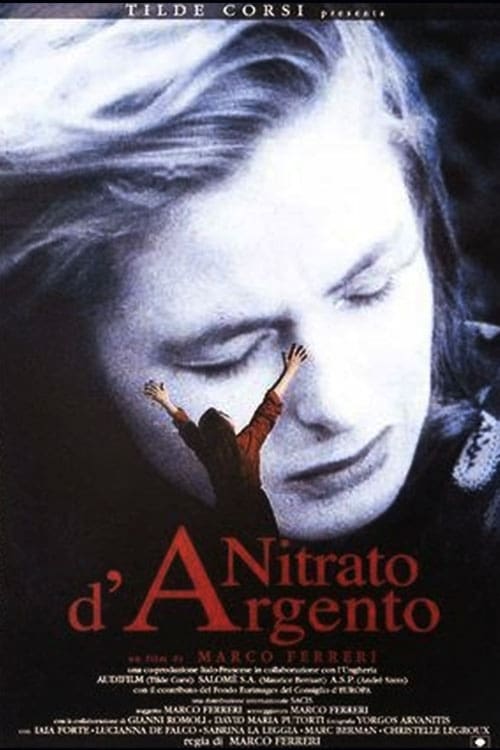
Marco Ferreri
Runtime
87 minutes
Average Rating
No ratings yetNew Showbiz Analysis
Nitrate Base serves as a critical look at the seventh art, using a montage approach to challenge traditional 'great man' histories. By focusing on the evolution of genres like musicals and political cinema, it highlights collective cultural movements. The film successfully frames cinema as a dynamic entity reflecting shifting power structures. It breaks down the star system and traditional hierarchies to show how the medium mirrors social transformations. However, the focus remains primarily on the Western tradition. While it offers a nuanced view of cultural evolution, the emphasis on European cinema limits its global perspective.
Category Breakdown
The film explores how LGBTQ identities and non-traditional expressions have evolved in cinema. It looks at these identities as part of the medium's development rather than through main characters.
By covering various genres, the documentary moves past a male-dominated perspective. It highlights how female performers and directors shaped the evolution of cinema from the silent era to the sound era.
The narrative focuses mainly on Western cinematic traditions, such as neorealism and classic styles. While it recognizes global influences, the emphasis stays on European cinema.
The film sees culture as a place where systemic changes occur, connecting cinema to political and social movements. It appreciates the changing moral landscapes and the industrialization of art from a modern viewpoint.
As a historical documentary focused on the evolution of genres and techniques, there is no mention of specific disabilities.
Present on Screen
Limited or Absent
Official Synopsis
This documentary celebrates the 100th anniversary of the cinema birth. It is an historic running through the technical and artistic evolution of the 7th art. We move from mute to sound, from B&W to color, trough all the genders (musical, Lyric, politic...). Beside it we have a kind of resume of the historic contest in which cinema lived till now, events and movements (neo-realism, classical etc.). All the aspects are taken in consideration: fashion, star system till the end, the sad end, of cinema in the theaters.
2006

1995

2018
2006
2022
2006
2006

2006
No reviews yet. Be the first to share your thoughts on this movie!
Use the rating form above to leave a star rating and optional review.