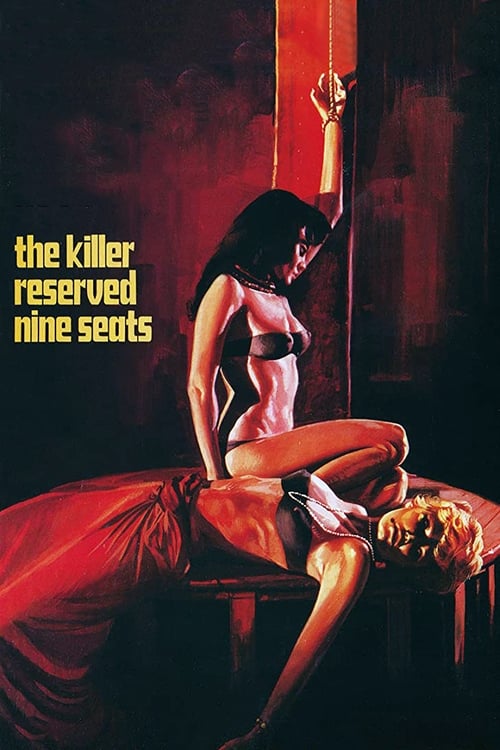
The Killer Reserved Nine Seats
1974
No user ratings available yet
Representation score: 3.2 out of 10
Representation Score
Minimal
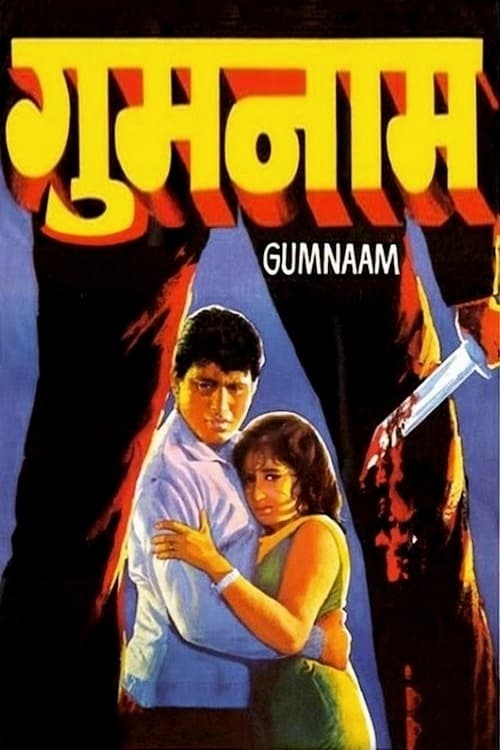
1965
Not RatedDirector
Raja Nawathe
Runtime
151 minutes
Average Rating
No ratings yetNew Showbiz Analysis
Gumnaam is a period-specific mystery thriller that prioritizes genre conventions over social subversion. It functions as a standard commercial product of 1960s Indian cinema, adhering to the era's established narrative archetypes. The film reinforces mid-century social norms rather than challenging them. It lacks complexity in reflecting multiple aspects of identity, focusing instead on a suspenseful, character-driven plot inspired by Western literary traditions. Ultimately, the production reflects the cultural and demographic realities of its time, offering a traditional viewing experience without intentional efforts to disrupt power dynamics or represent underrepresented identities.
Category Breakdown
The film follows a traditional structure that assumes everyone is straight or cisgender. There is no evidence of queer subtext or non-cisgender identities within the character arcs.
Female characters like Asha are central to the emotional stakes but often remain reactive. The narrative relies on standard 1960s clichés where men typically lead investigations.
The cast is ethnically homogeneous, reflecting the local demographic of 1965 India. It functions as a standard representation of the era's social reality without whitewashing.
The plot focuses on individual survival rather than critiques of religious or social structures. The moral landscape leans toward traditional justice and social order.
There is no discernible representation of physical or neurodivergent disabilities. Characters are defined by social standing and their roles in the mystery.
Present on Screen
Limited or Absent
Official Synopsis
Eight people are trapped on an island when their plane abandons them. They find a large mansion whose butler is expecting them. Then one by one, they begin to die...
1974
1965
1964
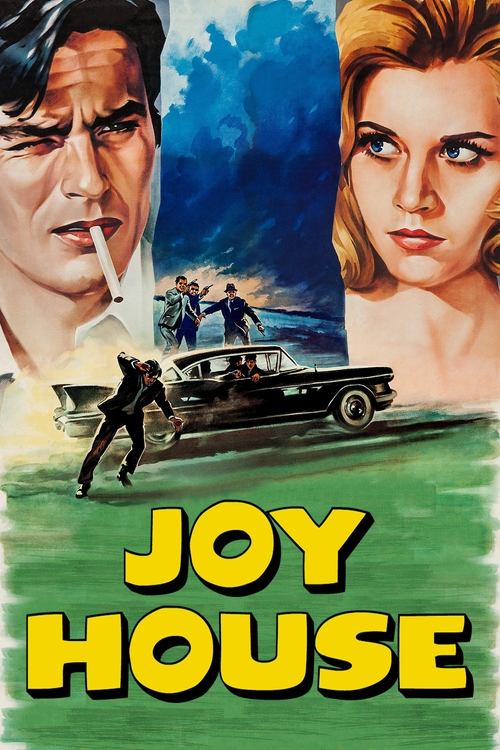
1964
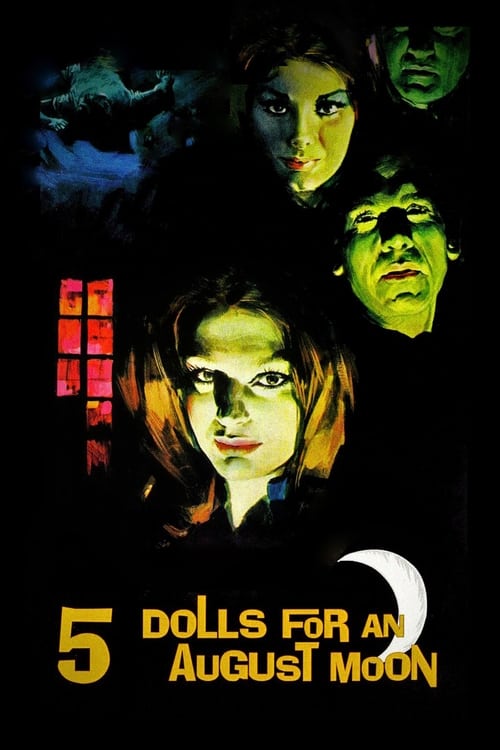
1970
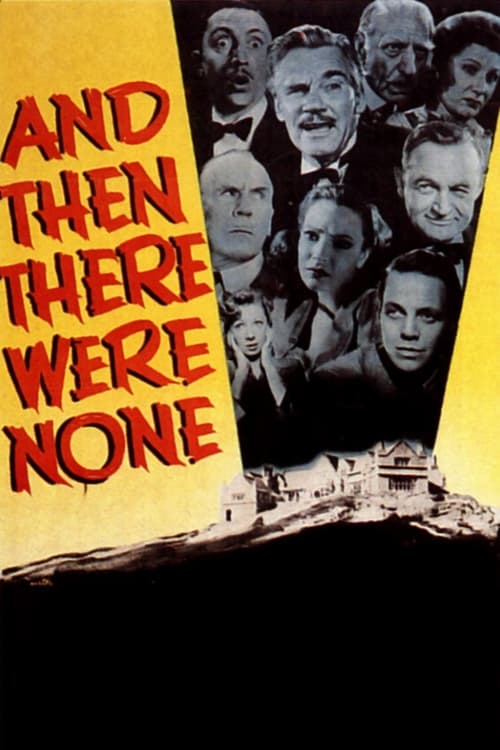
1945
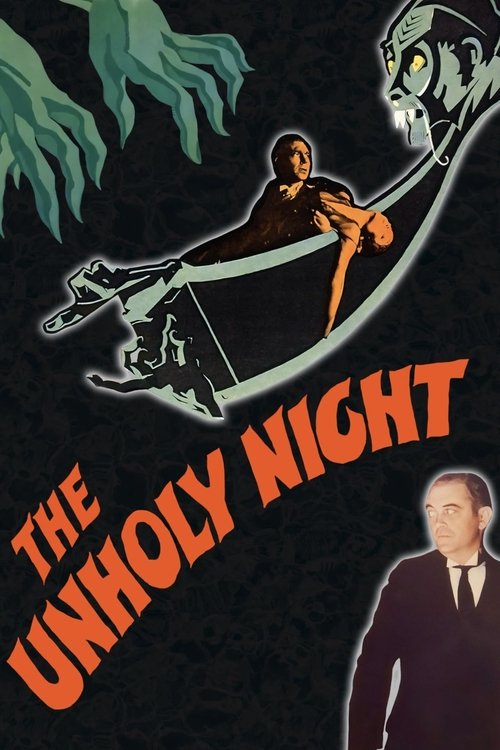
1929

1973
No reviews yet. Be the first to share your thoughts on this movie!
Use the rating form above to leave a star rating and optional review.