
Secret of the Blue Room
1933
No user ratings available yet
Representation score: 0.4 out of 10
Representation Score
Minimal
1929
PassedDirector
Lionel Barrymore
Runtime
93 minutes
Average Rating
No ratings yetNew Showbiz Analysis
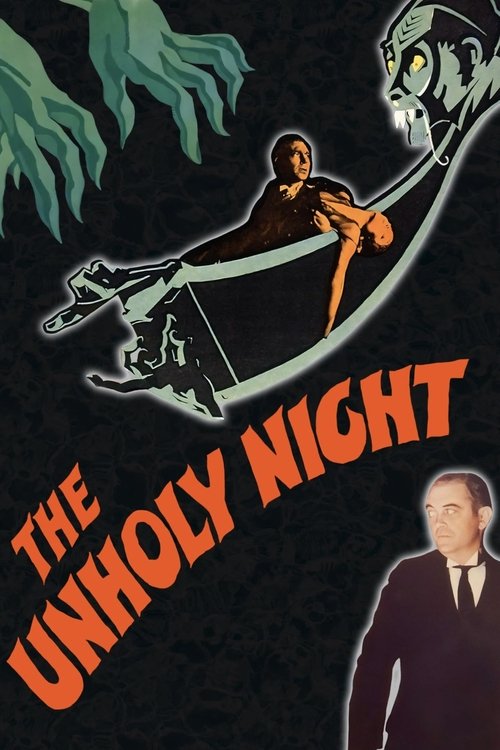
The Unholy Night is a product of the late 1920s studio system, operating within the conventional mystery-thriller frameworks of its time. The narrative focuses on class dynamics and suspense within a billionaire's estate but lacks any markers of characters who reflect more than one aspect of diversity. Because the film adheres to the era's standard social hierarchies, it offers little in the way of progressive subversion. The casting and character roles reflect the homogeneous and traditionalist values prevalent in early sound-era cinema. Ultimately, the film serves as a historical snapshot of mainstream genre clichés rather than a work that intentionally disrupts social or cultural norms.
Category Breakdown
The film does not include any characters with non-straight or non-cisgender identities. It also does not challenge the assumption that everyone is straight or cisgender, reflecting the standards of the late 1920s.
Female characters likely conform to the period's typical roles of domesticity or victimhood. The story does not challenge traditional gender hierarchies.
The setting suggests a focus on Anglo-Saxon actors and traditional Western social structures. It reflects the homogeneous casting standards of the late silent era.
The story centers on established Western class structures and property ownership. It does not present themes that challenge traditional moral or institutional frameworks.
There is no information about the inclusion of neurodivergent or physically disabled characters. In this era, disability was often used as a plot device rather than giving characters real power.
Present on Screen
Limited or Absent
Official Synopsis
When a rash of murders depletes their number, a billionaire's employees are brought together at an Englishman's estate.
1933
1946
1974
1939

1933

1946
1928
1949
No reviews yet. Be the first to share your thoughts on this movie!
Use the rating form above to leave a star rating and optional review.