Happy Birthday, Wanda June
1971
No user ratings available yet
Diversity score: 3.3 out of 10
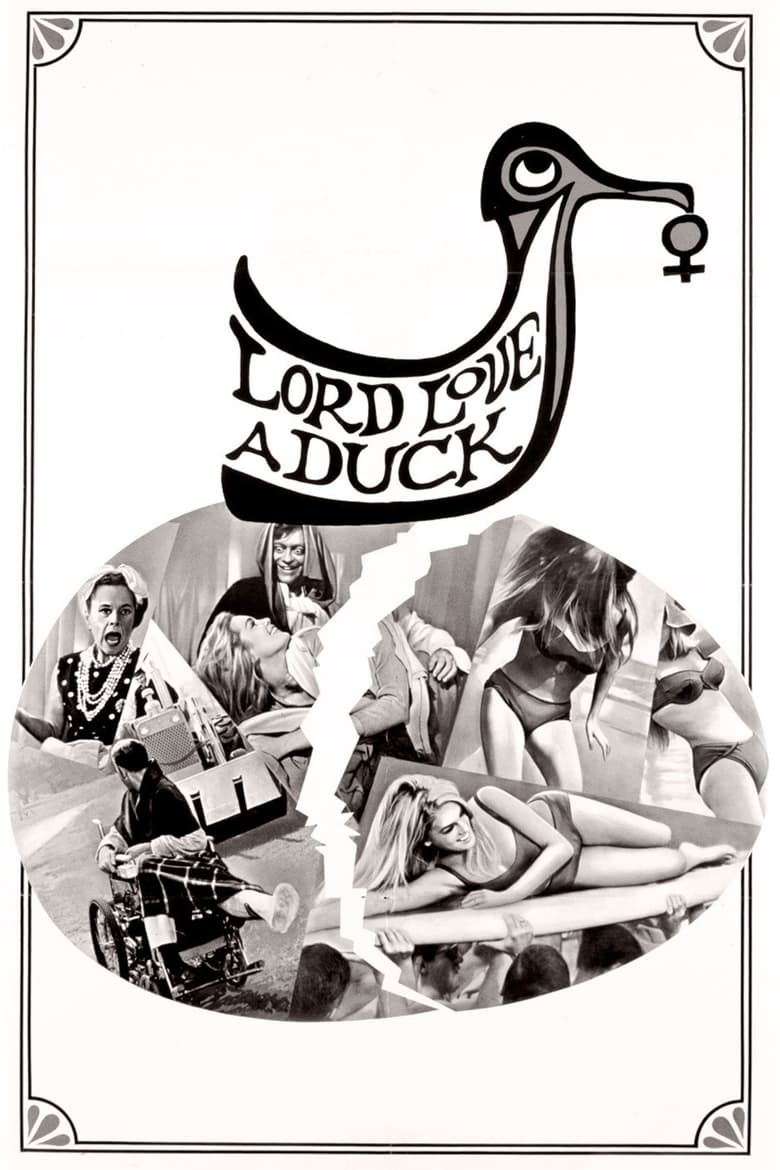
1966
Director
George Axelrod
Runtime
105 minutes
Average Rating
No ratings yetSynopsis
From his prison cell, young Alan Musgrave relates his experiences of the previous year dedicated to fulfilling every whim of beautiful and self-absorbed high school senior Barbara Ann Greene.
Overall Score
Fair
Category Breakdown
LGBTQ+ Representation
The film lacks explicit depictions of non-cisnormative identities or same-sex intimacy. While it explores eccentric social behaviors, it provides no specific character arcs or dialogue regarding LGBTQ+ themes.
Gender Representation
The narrative disrupts mid-century hierarchies by centering on assertive, neurotic, and eccentric female characters. Women exercise agency through social dominance, while male characters often serve as foils to this female-driven chaos.
Racial & Ethnic Diversity
Reflecting its 1966 production context, the cast is predominantly white and upper-class. The film lacks intersectional casting or meaningful representation of non-Anglo-Saxon identities.
Religious & Cultural Diversity
The film offers a sharp critique of Western social institutions and the vacuity of the American upper class. It uses satire to deconstruct traditional social decorum and capitalist-driven social climbing.
Disability Representation
There is no significant portrayal of characters with visible or invisible disabilities. The focus remains on socioeconomic and psychological neuroses rather than physical or neurodivergent identities.
Strengths
Areas for Improvement
AI Analysis
Lord Love a Duck is a subversive satire that prioritizes the deconstruction of social norms over demographic breadth. It excels at dismantling class hierarchies and traditional gender roles, presenting a world where female agency and psychological complexity drive the narrative chaos. However, the film is limited by the social constraints of its 1966 era. The lack of racial intersectionality and LGBTQ+ representation results in a homogeneous cast that reflects a narrow, upper-class demographic. Ultimately, the film functions as an early postmodern critique of Western institutions. It succeeds in challenging cultural stability through satire, even while failing to provide diverse representation across identity lines.
1971
1957
1972
1967

1963
1956
1960
1954
1982
1955
1967
1974
No reviews yet. Be the first to share your thoughts on this movie!
Use the rating form above to leave a star rating and optional review.