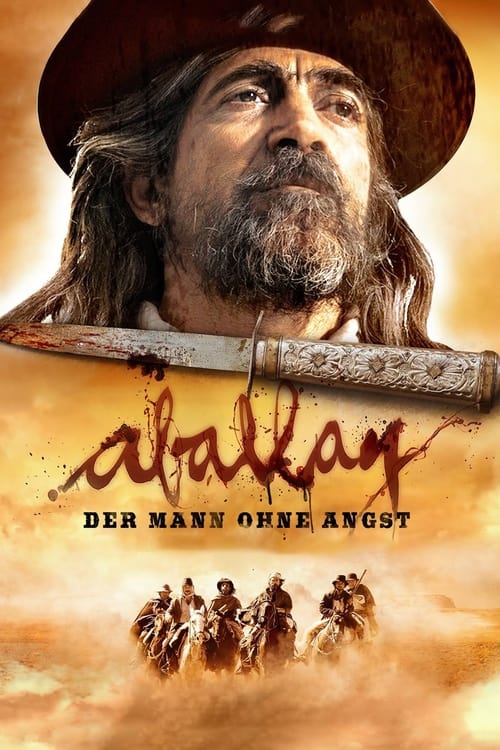
Aballay, the Man without Fear
2011
No user ratings available yet
Diversity score: 3.4 out of 10
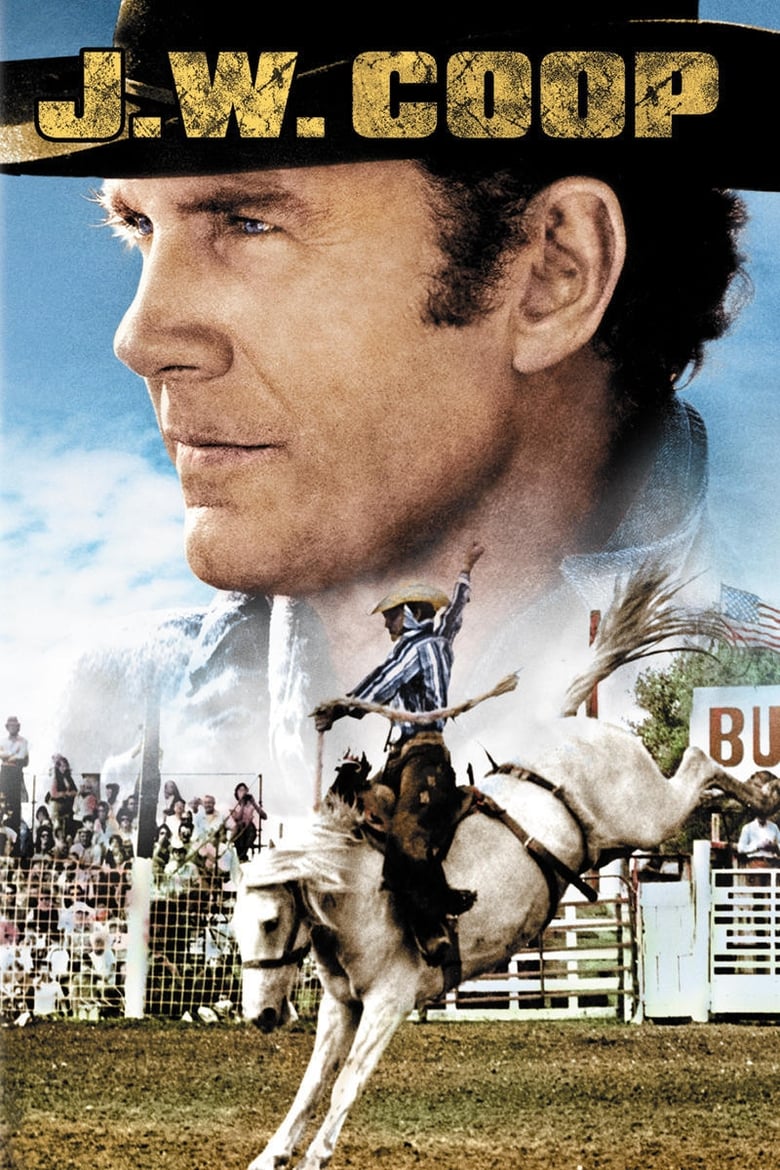
1972
PG-13Director
Cliff Robertson
Runtime
112 minutes
Average Rating
No ratings yetSynopsis
After losing eight years to prison, cowboy J. W. Coop is released to return to life as a professional rodeo cowboy in the 60's. Determined to make up for the lost 'prime' years of his career, he doggedly goes forward, and learns that not only has the business of rodeo changed during his incarceration but society as a whole has made dramatic changes as well.
Overall Score
Fair
Category Breakdown
LGBTQ+ Representation
The film focuses entirely on the racial and professional struggles of the protagonist. There is no evidence of non-cisnormative identities or narratives addressing heteronormativity.
Gender Representation
The narrative adheres to a masculine-centric focus typical of 1970s Westerns. It prioritizes male-dominated professional spheres, resulting in a lack of female agency or subversion of gender hierarchies.
Racial & Ethnic Diversity
The film centers a Black protagonist within the historically white-dominated rodeo circuit. It disrupts Western tropes by shifting the perspective to a Black man navigating systemic inequities.
Religious & Cultural Diversity
The story critiques American institutions by highlighting how systemic structures enforced racial segregation. It prioritizes the reality of social injustice over idealized American morality.
Disability Representation
There is no significant evidence regarding the portrayal of physical or neurodivergent disabilities within the available biographical data and synopsis.
Strengths
Areas for Improvement
AI Analysis
J.W. Coop is a significant historical text that challenges the traditional boundaries of the Western genre. By centering a Black protagonist, the film moves away from simple escapism toward a complex interrogation of American social structures and systemic barriers. The film's strength lies in its disruption of the 'frontier hero' trope. It replaces homogeneous casting with a narrative of racial agency, documenting the friction between individual merit and institutionalized segregation during the Jim Crow era. However, the film remains limited by the era's gendered focus. The heavy emphasis on male-dominated professional spheres and the lack of diverse gender representation prevent a more intersectional exploration of the period.
2011
1966
1968
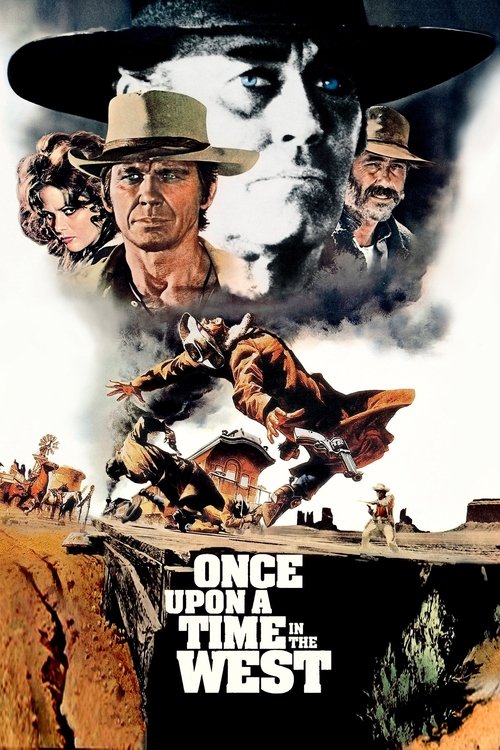
1968
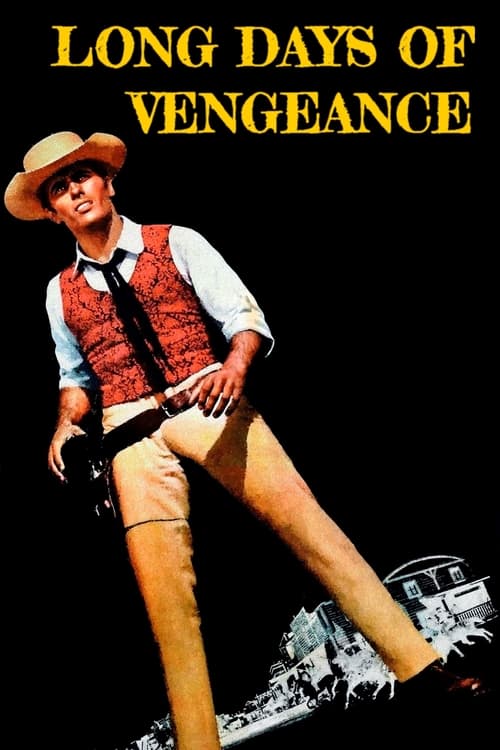
1967

2019

1952
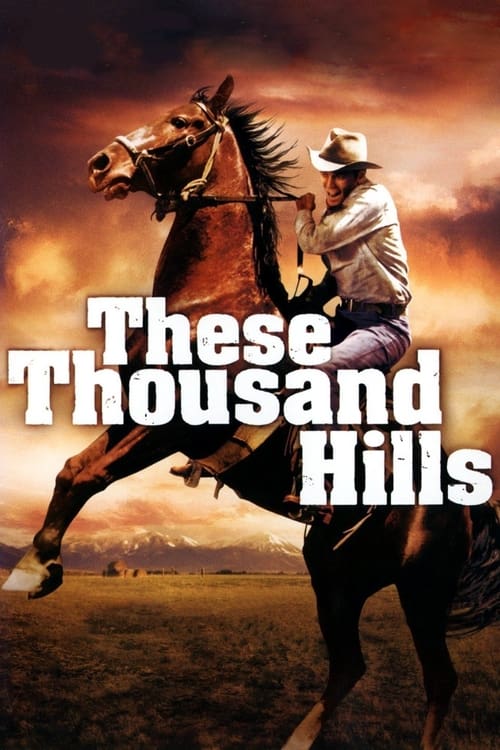
1959

1972
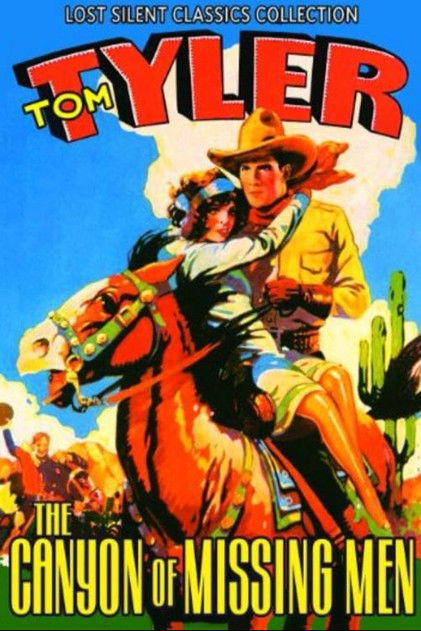
1930
2016
2005
No reviews yet. Be the first to share your thoughts on this movie!
Use the rating form above to leave a star rating and optional review.