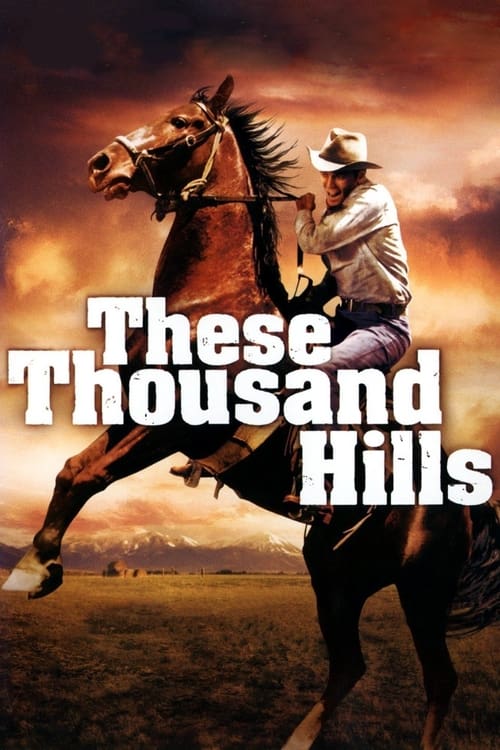
These Thousand Hills
1959
No user ratings available yet
Diversity score: 2.3 out of 10

1972
PGDirector
Stuart Millar
Runtime
107 minutes
Average Rating
No ratings yetSynopsis
An elderly rodeo rider becomes mentor to a young man attempting to make his own name in the business.
Overall Score
Minimal
Category Breakdown
LGBTQ+ Representation
The film contains no visible LGBTQ+ characters or non-cisnormative identities. The story focuses strictly on traditional masculine archetypes without engaging with queer identities.
Gender Representation
The narrative operates within a rigid gender hierarchy, focusing almost entirely on male camaraderie. Women are largely absent, and the film fails to meet the Bechdel test.
Racial & Ethnic Diversity
Reflecting its 1972 production and Western setting, the cast is predominantly white. The film lacks color-blind casting or a diverse racial landscape.
Religious & Cultural Diversity
The plot explores the deconstruction of the outlaw myth through standard tropes. It emphasizes the inevitability of consequences rather than a systemic critique of institutions.
Disability Representation
There is no discernible representation of physical, sensory, or neurodivergent disabilities within the narrative.
Strengths
Areas for Improvement
AI Analysis
This 1972 Western is a conventional genre piece that adheres to the demographic structures of its era. The story is built upon established masculine tropes and a homogeneous cast, offering almost no disruption to social hierarchies. The film prioritizes character-driven grit and the 'outlaw' archetype over progressive social commentary. Consequently, it lacks intersectional representation and fails to provide a diverse or inclusive viewing experience. While the film attempts moral complexity regarding the characters' choices, it remains firmly rooted in traditional cinematic depictions of the American West.
1959

1952
2016
1920
1995
1968
1968
1967

2019
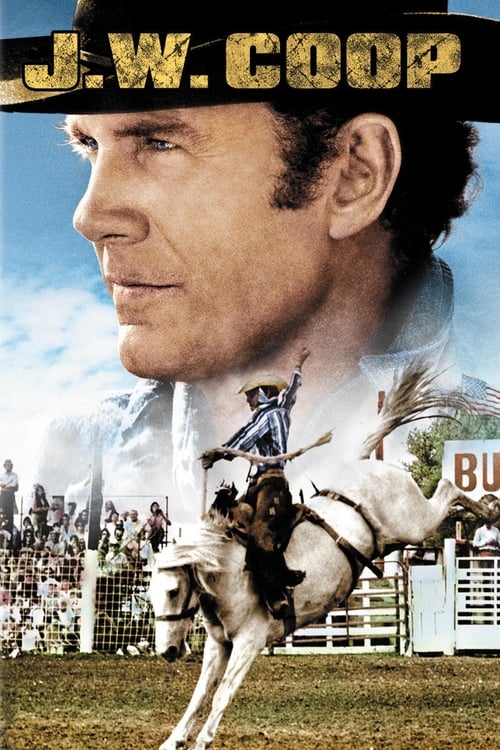
1972
2005
1979
No reviews yet. Be the first to share your thoughts on this movie!
Use the rating form above to leave a star rating and optional review.