Rifle
2017
No user ratings available yet
Representation score: 5.3 out of 10
Representation Score
Minimal
2016
Not RatedDirector
Charles Robert Carner
Runtime
85 minutes
Average Rating
No ratings yetNew Showbiz Analysis
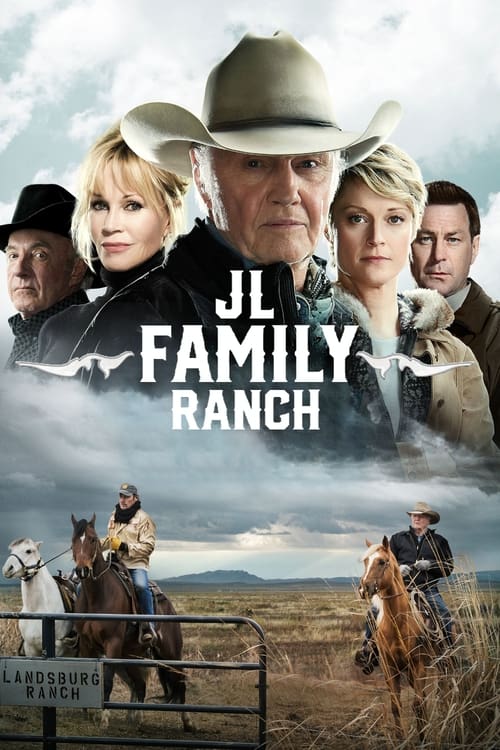
J.L. Family Ranch is a conventional Western drama that leans heavily into established genre clichés. The plot focuses on a localized struggle for property and autonomy, centering on a working-class protagonist fighting a wealthy antagonist. The film lacks characters who reflect more than one aspect of diversity, adhering to traditional storytelling structures. The narrative architecture prioritizes themes of land ownership and federal bureaucracy over social or cultural subversion. Ultimately, the production appears to follow a standard, homogeneous approach to the Western genre without attempting to disrupt social hierarchies.
Category Breakdown
The film does not include any LGBTQ+ characters or narratives. There is no indication of non-straight identities within the story.
The story centers on masculine archetypes such as a veteran rancher and former sheriff. It lacks visible female characters in positions of power or challenges to gender hierarchies.
Set in a small Texas town, the film follows conventional genre expectations. There is no mention of a diverse cast or race-bent casting.
The plot focuses on traditional Western values regarding land ownership and local autonomy. It emphasizes familial stability over the deconstruction of cultural institutions.
There is no evidence of characters with visible or invisible disabilities. The narrative does not address disability representation.
Present on Screen
Limited or Absent
Official Synopsis
A veteran rancher and former sheriff, forced to face some federal bureaucracy when an old enemy-cum-millionaire alleges he doesn't actually own his beloved family ranch in a small Texas town.
2017

1972

2012
1963
1936

1953
1938

1980
No reviews yet. Be the first to share your thoughts on this movie!
Use the rating form above to leave a star rating and optional review.