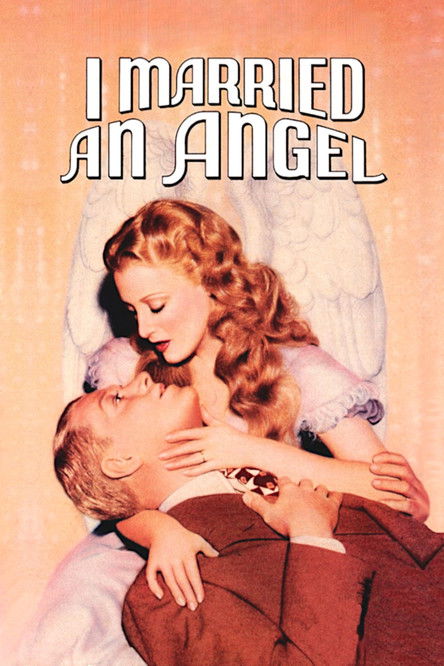
I Married an Angel
1942
No user ratings available yet
Representation score: 0.4 out of 10
Representation Score
Minimal
1950
Director
George Seaton
Runtime
92 minutes
Average Rating
No ratings yetNew Showbiz Analysis
George Seaton's fantasy-comedy is a classic product of the 1950s studio system. It uses a supernatural premise not to challenge social structures but to reinforce them, emphasizing domestic stability and traditional reproductive goals. The film focuses on a narrow demographic perspective, offering limited racial, ethnic, or LGBTQ+ diversity. It reflects the era's standard casting practices and social hierarchies, favoring a homogeneous, white, and straight-centered worldview. Ultimately, the film lacks the intention to disrupt established conventions. Instead, it uses its angelic intervention to guide characters toward conforming to the era's conventional social and biological norms.
Category Breakdown
The film doesn't include any queer perspectives or non-cisgender identities. The story focuses solely on traditional romantic and reproductive milestones.
Female characters are mainly defined by their relationships to men. Although the main female character has some influence, the film upholds mid-century social norms and emphasizes male leadership.
The cast mirrors the demographic uniformity of 1950s cinema. The story centers on a white, small-town American setting with no diverse characters.
The story promotes traditional Western values and the sanctity of the family unit. Supernatural elements support a cohesive, conventional social order.
There is no depiction of physical, sensory, or neurodivergent identities. Characters are portrayed within a typical able-bodied framework.
Present on Screen
Limited or Absent
Official Synopsis
An angel takes on human form in order to persuade a theatrical couple to finally consummate their child that has been waiting to be born.
1942
1941
1960

1988
1998
1960
1949
1937
No reviews yet. Be the first to share your thoughts on this movie!
Use the rating form above to leave a star rating and optional review.