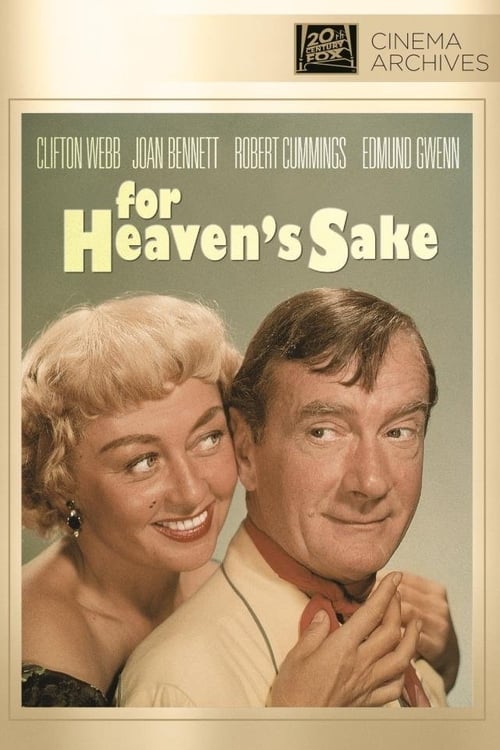
For Heaven's Sake
1950
No user ratings available yet
Representation score: 1.6 out of 10
Representation Score
Limited
1960
ApprovedDirector
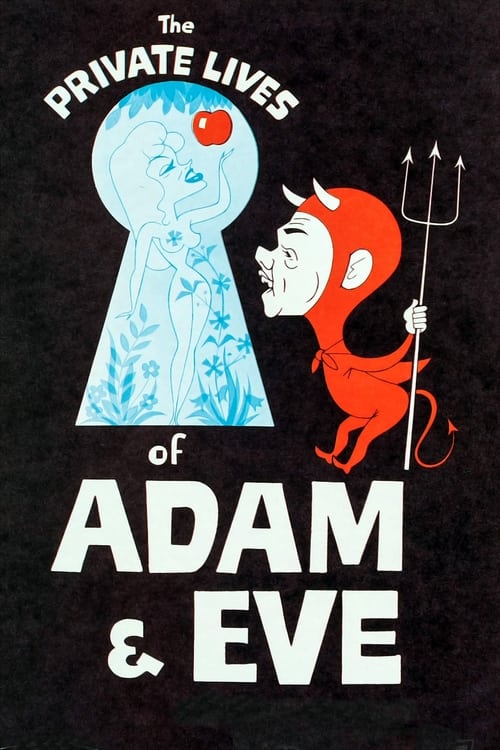
Mickey Rooney, Albert Zugsmith
Runtime
86 minutes
Average Rating
No ratings yetNew Showbiz Analysis
The film serves as a transitional text for its time, offering a nuanced look at the breakdown of the nuclear family. While it lacks modern breadth in representing diverse identities, it avoids the heavy-handed moralism common in 1960s cinema. Its strength lies in its willingness to treat domestic instability with comedic complexity rather than strict condemnation. However, the film remains limited by the era's social boundaries, particularly regarding race and sexual orientation. Ultimately, the work challenges religious and social orthodoxies by centering personal desire over institutional duty, even as it remains anchored in a traditional demographic.
Category Breakdown
The film operates within a framework that assumes everyone is straight and cisgender. There is no evidence of same-sex relationships or non-cisgender identities in the story.
The story challenges traditional gender roles by highlighting marital conflict. It breaks down the idealized husband figure through themes of infidelity and changing power dynamics.
The production focuses on a homogeneous, middle-class urban setting. It lacks significant non-white representation or intentional complexity in its main character arcs.
The film deals with moral relativism by presenting infidelity through a comedic lens. This approach emphasizes individualist secular ethics over rigid mid-century religious or family values.
There is no discernible presence of characters with visible or invisible disabilities in the film's thematic overview.
Present on Screen
Limited or Absent
Official Synopsis
A modern couple dream that they are Adam and Eve.
1950
1937

1947
1950
1957
1970
1964
1967
No reviews yet. Be the first to share your thoughts on this movie!
Use the rating form above to leave a star rating and optional review.