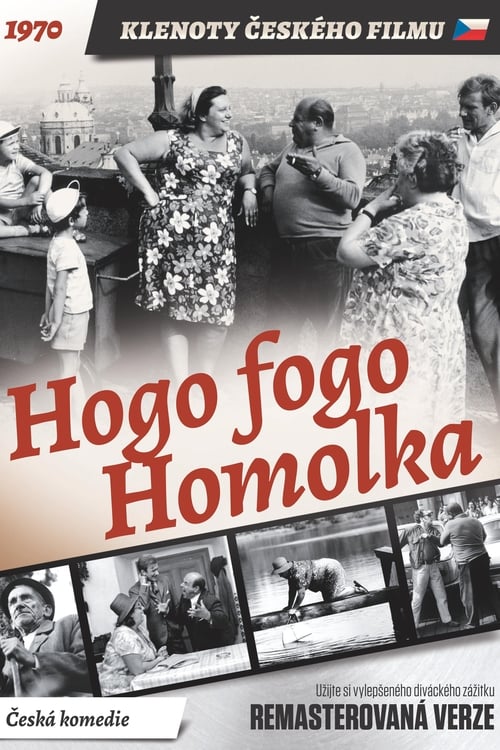
Hogo Fogo Homolka
1971
No user ratings available yet
Representation score: 4.2 out of 10
Representation Score
Limited
1972
Director
Jaroslav Papoušek
Runtime
85 minutes
Average Rating
No ratings yetNew Showbiz Analysis
The film functions as a conventional domestic comedy centered on a standard nuclear family. It adheres strictly to the social and demographic norms of 1970s Czechoslovakia, focusing on the interpersonal dynamics of a husband, wife, children, and grandparents. Because the narrative reinforces traditional social units rather than disrupting them, it lacks depth in representing diverse identities. The characters reflect a homogeneous regional demographic, providing little representation for underrepresented groups. Ultimately, the work serves as a period-specific snapshot of middle-class family life. It prioritizes situational humor within a traditional framework over progressive or diverse character arcs.
Category Breakdown
The film focuses on a traditional nuclear family structure. There is no depiction of LGBTQ+ identities or same-sex relationships.
The story centers on the marital partnership of Ludva and Hedus. It portrays a traditional domestic relationship without challenging gender roles.
The setting and character descriptions suggest a culturally homogeneous cast. There is no indication of racial or ethnic diversity.
The narrative explores middle-class social aspirations during a family holiday. It does not prioritize secularism or present anti-Western critiques.
The film contains no mention of characters with visible or invisible disabilities. No representation of neurodivergence or physical disability is present.
Present on Screen
Limited or Absent
Official Synopsis
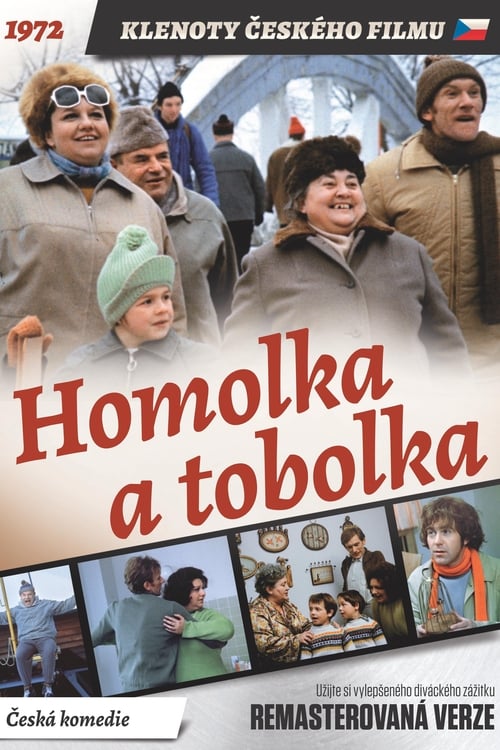
The husband and wife Ludva and Hedus Homolkas with their twins Péta and Máta and Ludva's parents - the granny and grandpa - arrive in the snowy Spindleruv Mlýn for a holiday. They promise to each other that they will not spoil the quite expensive holiday by quarrels. If somebody hurts the other one he/she will kneel as a punishment.
1971
1967
1970
1999

1935

2014

2017

1988
No reviews yet. Be the first to share your thoughts on this movie!
Use the rating form above to leave a star rating and optional review.