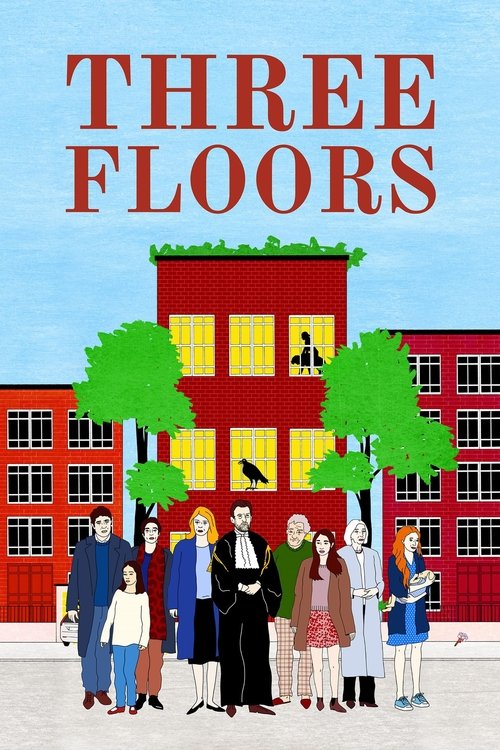
Three Floors
2021
No user ratings available yet
Representation score: 6.5 out of 10
Representation Score
Good
2019
Director
Francesca Archibugi
Runtime
103 minutes
Average Rating
No ratings yetNew Showbiz Analysis
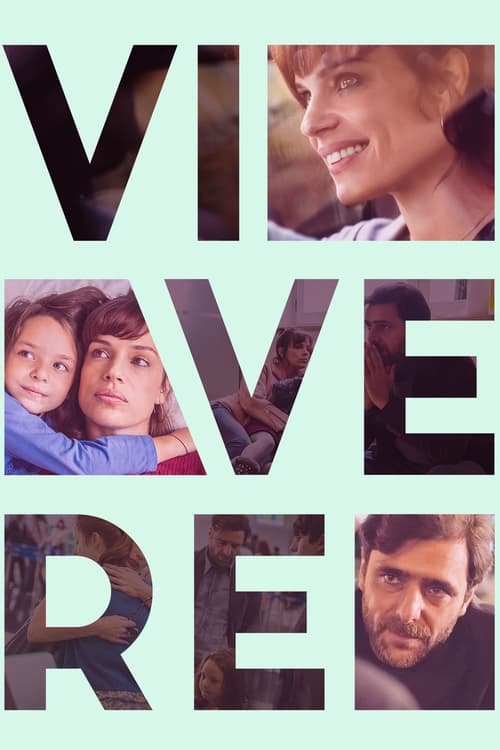
Vivere offers a nuanced study of class disparity and the fragility of modern domesticity. It deconstructs the middle-class family by highlighting how systemic economic pressures disrupt stability and individual control. The film excels at portraying realistic female labor and the physical realities of chronic illness. However, it remains centered on Western European perspectives and lacks visible LGBTQ+ representation, limiting its broader multi-layered reach.
Category Breakdown
The film does not include explicit LGBTQ+ characters or explore non-straight relationships. Instead, it focuses on strained parent-child relationships and established family dynamics.
Femininity is shown through realistic struggles rather than stereotypes. Susi transitions from ballet dancing to teaching, which subverts idealized clichés, while Mary Ann holds a traditional service-based role.
The story primarily features a Western European demographic. An Irish student adds a layer of internationality, but the core family remains a localized Italian unit.
The film critiques social hierarchies by contrasting extreme wealth with economic instability. Mary Ann’s deep Catholic faith introduces a tension between traditional religious values and a chaotic, secular reality.
Lucilla’s severe bronchial asthma is a central, lived reality rather than a mere plot device. This provides a grounded depiction of how chronic health issues shape daily life.
Present on Screen
Limited or Absent
Official Synopsis
In a respectable suburb made up of row houses, Luca Attorre — a freelance journalist who struggles to get his features published in the papers — is unable to maintain Susi, a ballerina reduced to teaching dance to overweight women, and Lucilla, their quiet and imaginative six-year- old daughter who suffers from severe bronchial asthma. They are helped economically by Pierpaolo, Luca’s seventeen-year-old son from a previous relationship. Pierpaolo lives in an Art Nouveau house with his mother and grandfather, an important trial lawyer of cases linked to politics who rakes in several million euros a year. In the setting of a magnificent and incomprehensible Rome, both a good mother and a bad one, Mary Ann, a deeply Catholic student of art history from Ireland, au pair for the little Lucilla, is caught in the middle.
2021
2022
2017
2023
2016
2020

2018
2010
No reviews yet. Be the first to share your thoughts on this movie!
Use the rating form above to leave a star rating and optional review.