
La vita possibile
2016
No user ratings available yet
Representation score: 7.2 out of 10
Representation Score
Fair
2010
Director
Daniele Luchetti
Runtime
98 minutes
Average Rating
No ratings yetNew Showbiz Analysis
Daniele Luchetti’s drama serves as a sophisticated period study of 1970s Italy. It prioritizes the deconstruction of traditional social hierarchies and the systemic tensions between the individual and the state. The film’s strength lies in its critique of capitalism and the erosion of established authority. It uses the historical context of the working class to explore moral relativism and political activism. However, the film remains demographically traditional. It lacks LGBTQ+ representation and multi-ethnic casting, reflecting the specific historical homogeneity of the era it depicts.
Category Breakdown
The film focuses on the socioeconomic struggles of the working class. It does not center on queer narratives or non-cisgender identities.
The narrative captures the friction between domestic expectations and the rise of feminist movements. Female characters gain a significant role by navigating the tension between traditional roles and social change.
Set during Italy's 'Years of Lead,' the casting reflects the era's demographic homogeneity. The film uses class rather than multiculturalism as its primary lens for social stratification.
The film excels at critiquing Western institutions and capitalist structures. It explores the breakdown of traditional authority, such as parents and the state, as a driver of social evolution.
There are no prominent depictions of visible or invisible disabilities that serve as central plot drivers or character arcs.
Present on Screen
Limited or Absent
Official Synopsis
Claudio is a construction worker living in the outskirts of Rome. He's happily married and his wife is pregnant with their third child. However, a dramatic event comes to upset this simple and happy life.
2016
1997

2014

2021
2005

2009
2015
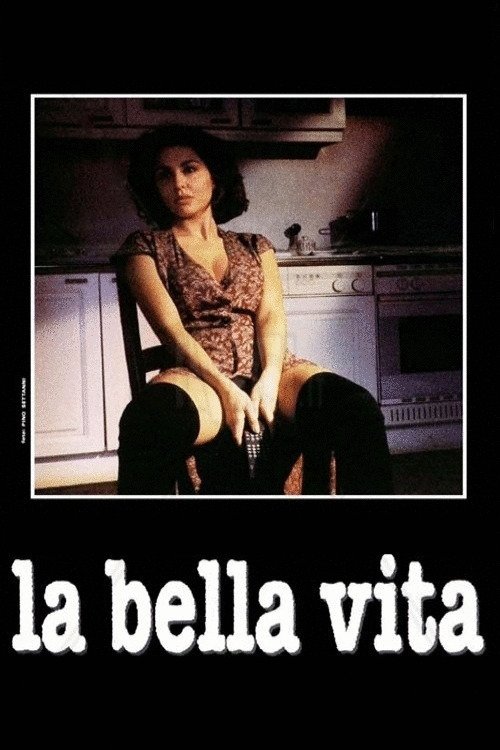
1994
No reviews yet. Be the first to share your thoughts on this movie!
Use the rating form above to leave a star rating and optional review.