
Himmatwala
2013
No user ratings available yet
Diversity score: 2.6 out of 10
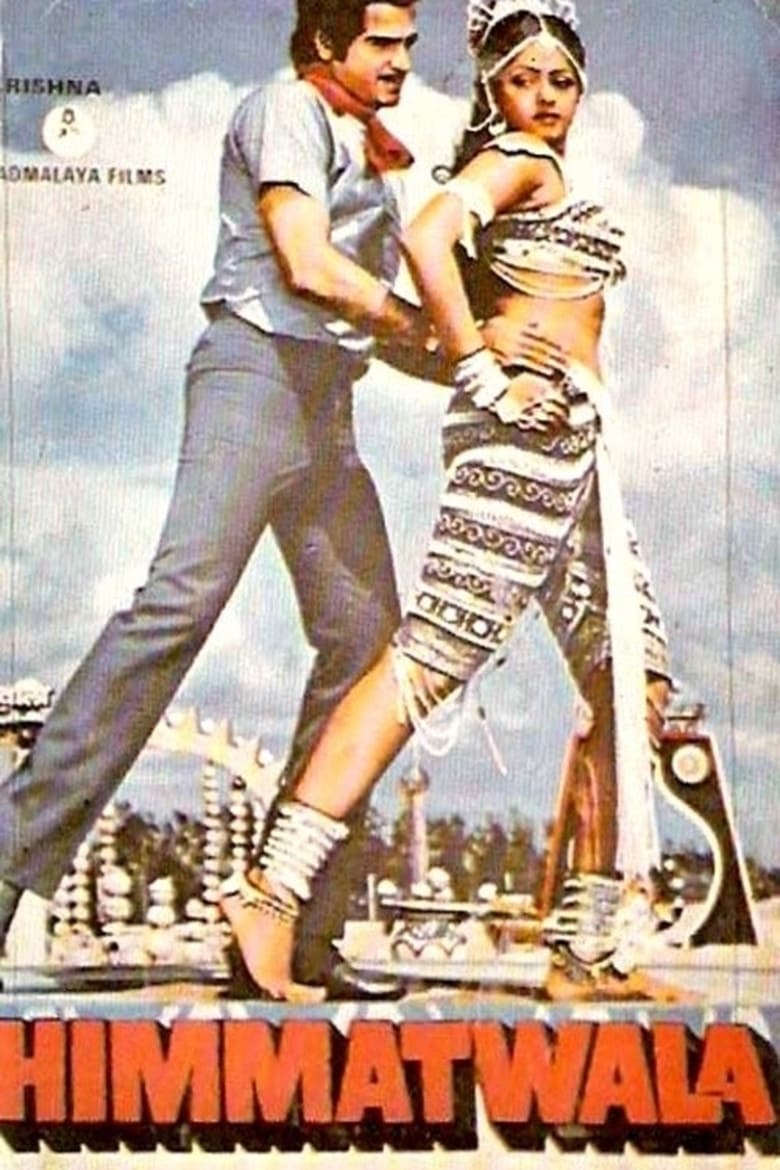
1983
Not RatedDirector
K Raghavendra Rao
Runtime
179 minutes
Average Rating
No ratings yetSynopsis
A poor and wronged woman's son returns from the big city to avenge his father, a honest school teacher.
Overall Score
Fair
Category Breakdown
LGBTQ+ Representation
The film operates within a conventional heteronormative framework. There is no evidence of non-cisnormative gender identities or same-sex intimacy.
Gender Representation
Narrative structures reinforce traditional gender hierarchies. The female lead functions primarily as a romantic interest rather than an agent of plot progression.
Racial & Ethnic Diversity
The film features a predominantly South Asian cast, providing high levels of ethnic representation. It utilizes indigenous settings and social structures.
Religious & Cultural Diversity
The story engages in a critique of local feudalism and corruption. It focuses on localized social justice and the restoration of moral order.
Disability Representation
There is no significant depiction of neurodivergence or physical disability. Characters are defined by socioeconomic status or moral alignment.
Strengths
Areas for Improvement
AI Analysis
Himmatwala is a quintessential 1980s masala film that prioritizes traditional storytelling over social deconstruction. It excels in ethnic authenticity, rooting its narrative in local landscapes and South Asian casting. However, the film relies heavily on patriarchal archetypes. While the plot is sparked by a woman's struggle for justice, the agency is ultimately transferred to a male protector. This reinforces conventional gender roles rather than challenging them. Ultimately, the film serves as a study of class-based conflict and the restoration of moral order. It succeeds in depicting local power dynamics but remains tethered to heteronormative and traditional social structures.
2013
1980

2014

2013

2018

2017
No reviews yet. Be the first to share your thoughts on this movie!
Use the rating form above to leave a star rating and optional review.