
Kony 2012
2012
No user ratings available yet
Representation score: 4.7 out of 10
Representation Score
Fair
2006
PG-13Director
Jason Russell
Runtime
55 minutes
Average Rating
No ratings yetNew Showbiz Analysis
Invisible Children brings global attention to a underrepresented population and a critical humanitarian crisis. It effectively challenges global apathy regarding the plight of displaced youth in northern Uganda. However, the film's narrative structure is limited by a Western-centric perspective. By framing Ugandan subjects primarily through the lens of victimhood, the documentary facilitates Western mobilization rather than granting full control to the local population. Ultimately, the work reinforces traditional power hierarchies. It promotes a model of Western interventionism and philanthropic engagement rather than fundamentally disrupting the political or social structures at play.
Category Breakdown
The documentary focuses solely on the humanitarian crisis involving child soldiers and does not include any LGBTQ+ characters or discussions of non-straight relationships.
The film highlights the vulnerability of both male and female children in conflict zones. It avoids strict gender hierarchies but centers on protecting traditional family units.
While featuring a predominantly Ugandan cast, the narrative ability to act remains with the Western filmmakers. This creates a tension where subjects are often positioned as recipients of Western empathy.
The film serves as a call for Western charitable intervention rather than a critique of Western institutions. It emphasizes humanitarian aid and traditional philanthropic values.
Physical and psychological traumas are depicted as symptoms of the conflict. These depictions risk using suffering as a narrative device rather than giving characters independent roles.
Present on Screen
Limited or Absent
Official Synopsis
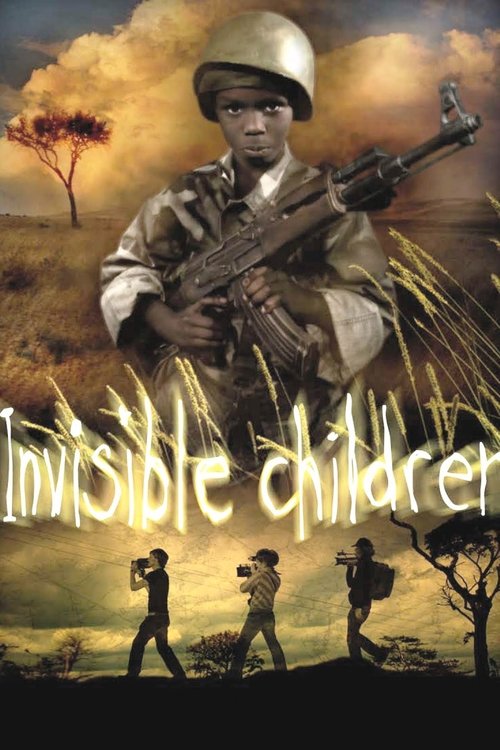
In the spring of 2003, three young filmmakers traveled to Africa in search of a story. What started out as a filmmaking adventure transformed into much more when these boys from Southern California discovered a tragedy that disgusted and inspired them, a tragedy where children are both the weapons and the victims. After returning to the States, they created the documentary "Invisible Children: Rough Cut," a film that exposes the tragic realities of northern Uganda.s night commuters and child soldiers. The film was originally shown to friends and family, but has now been seen by millions of people. The overwhelming response has been, "How can I help?" To answer this question, the non-profit Invisible Children, Inc. was created, giving compassionate individuals an effective way to respond to the situation.
2012

2011
2008
2004

2007

2012
2003
2012
No reviews yet. Be the first to share your thoughts on this movie!
Use the rating form above to leave a star rating and optional review.