Kaena: The Prophecy
2003
No user ratings available yet
Representation score: 7.7 out of 10
Representation Score
Good
2007
Director
Philippe Leclerc
Runtime
90 minutes
Average Rating
No ratings yetNew Showbiz Analysis
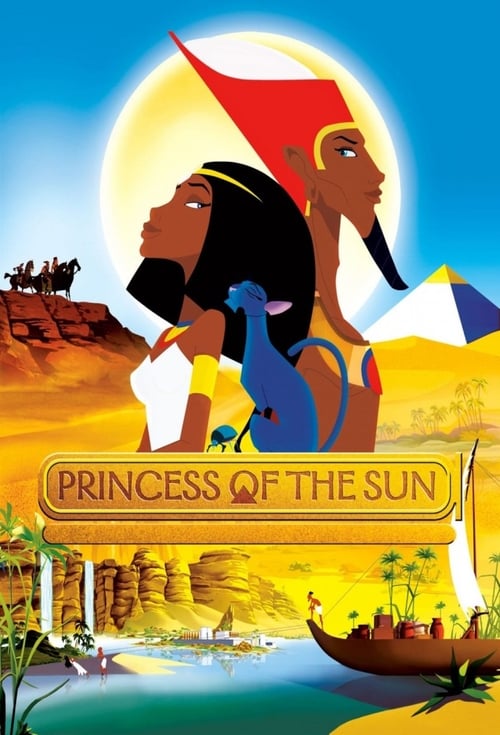
Princess of the Sun disrupts traditional power structures by centering its narrative on a rebellious female protagonist. Akhesa’s role moves beyond the passive royal stereotype, providing a strong female lead. The film also offers a fresh perspective by immersing viewers in the complex political and religious landscape of Ancient Egypt. However, the film remains limited in its exploration of diverse identities. It adheres to conventional assumptions about straight relationships and does not include characters with disabilities. Ultimately, the film's strength lies in its cultural and gendered subversion. It critiques organized religion and patriarchal control through a historical lens, offering a nuanced view of systemic upheaval.
Category Breakdown
The story focuses on the family relationship between Akhesa and Tutankhaten. It does not include explicit representations of non-traditional gender identities or same-sex relationships, sticking to traditional assumptions about straight relationships.
Akhesa is a proactive protagonist who challenges traditional gender roles. Her journey highlights her intellectual and physical independence, moving beyond the stereotype of the passive princess.
By focusing on an Ancient Egyptian cast, the film shifts away from Western-centric narratives. It emphasizes ethnic ability to act through a non-Western setting and the exploration of Nile civilization dynamics.
The narrative explores systemic oppression by depicting priests as conspirators against the pharaoh. It frames the struggle as an anti-authoritarian fight against established religious dominance.
There are no characters with visible or invisible disabilities in the narrative.
Present on Screen
Limited or Absent
Official Synopsis
In Ancient Egypt, during the monotheistic regime of Akhenaten, Akhesa is a beautiful princess, 14 years of age. An impetuous young girl, Akhesa rebels against her father's dictats. She refuses to live confined in the royal palace and wants to discover why her mother, Queen Nefertiti, has been exiled on the island of Elephantine. Assisted by her half-brother prince Tutankhaten, or "Tut", Akhesa flees the court in hopes of finding her mother. In defiance of danger the two teenagers travel down the Nile to the burning-hot desert dunes, courageously facing the mercenary Zannanza and priests of Amun Ra, who are conspiring to overthrow the pharaoh because of his rejection of their god. With innocence their only weapon, Akhesa and Tut overcome many hardships, and encounter an extraordinary destiny.
2003

1968
2016

2006

2007

2011

2003
2014
No reviews yet. Be the first to share your thoughts on this movie!
Use the rating form above to leave a star rating and optional review.