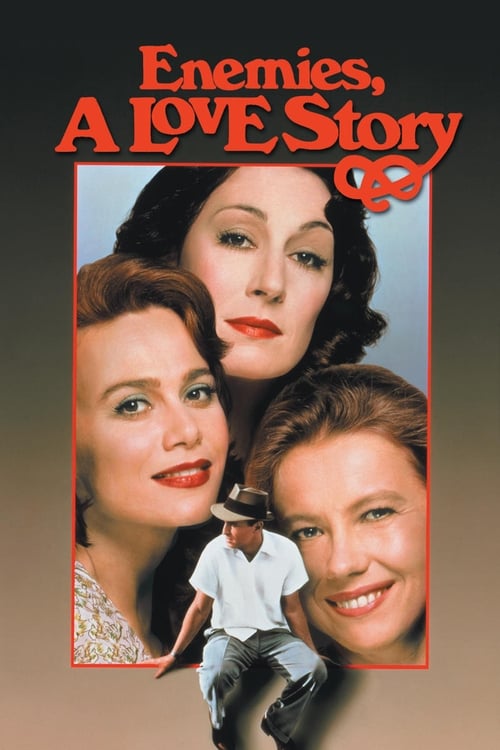
Enemies, a Love Story
1989
No user ratings available yet
Representation score: 5.2 out of 10
Representation Score
Limited
1990
PG-13Director
Jon Amiel
Runtime
107 minutes
Average Rating
No ratings yetNew Showbiz Analysis
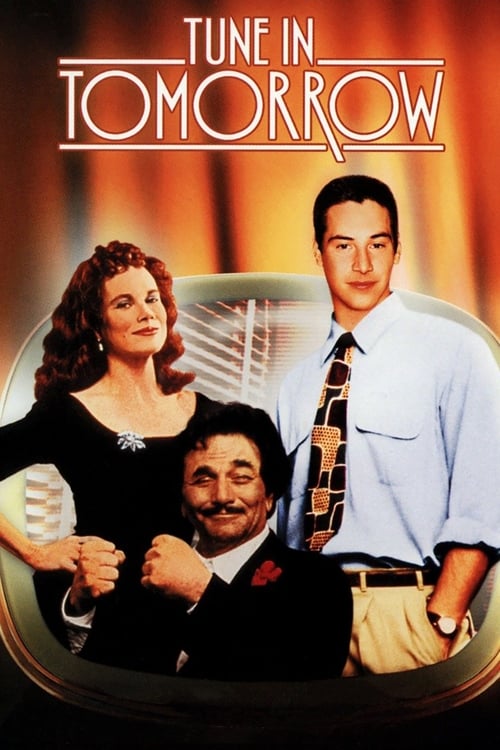
Tune in Tomorrow... is a character-driven drama that prioritizes individual psychological exploration over sociopolitical commentary. The narrative relies heavily on traditional storytelling clichés, which limits its demographic breadth and diverse representation. While the film remains rooted in conventional Western social structures, it finds nuance in its portrayal of neurodivergent-coded behavior. By centering the protagonist's unique cognitive perspective, the film avoids derogatory stereotypes. Ultimately, the work functions as a localized study of interpersonal connections rather than a diverse ensemble piece, offering little disruption to established cultural or gender hierarchies.
Category Breakdown
The film does not include any LGBTQ+ characters or narratives. The central romantic tension is framed entirely within a traditional heterosexual relationship.
The narrative adheres to traditional domestic roles. While Julia has some influence, the film does not actively challenge gender hierarchies or deconstruct masculinity.
The cast is predominantly made up of actors from similar backgrounds, reflecting the specific production context. There is no effort to include diverse racial backgrounds or break away from Anglo-Saxon dominance.
The story operates within a typical Western framework, emphasizing middle-class social structures. It does not offer any critique of Western institutions or established social norms.
The protagonist exhibits behaviors associated with neurodivergence, such as hyper-fixation and unconventional communication. The film portrays his eccentricity as a core part of his identity rather than using him as an inspirational figure.
Present on Screen
Limited or Absent
Official Synopsis
Martin works at the local radio station, which just hired a new scriptwriter with a reputation for great drama, Pedro Carmichael. Martin’s aunt Julia, not related by blood, returns home after many years away and Martin falls for her. Once Pedro finds out about this romance, he starts incorporating details of it into the script of his daily drama series. Soon, Martin and Julia are not only hearing about their fictional selves over the radio, but about what they are going to do next.
1989

1970

1998

1997

1993
1997

1998
1997
No reviews yet. Be the first to share your thoughts on this movie!
Use the rating form above to leave a star rating and optional review.