That Old Feeling
1997
No user ratings available yet
Diversity score: 2.3 out of 10
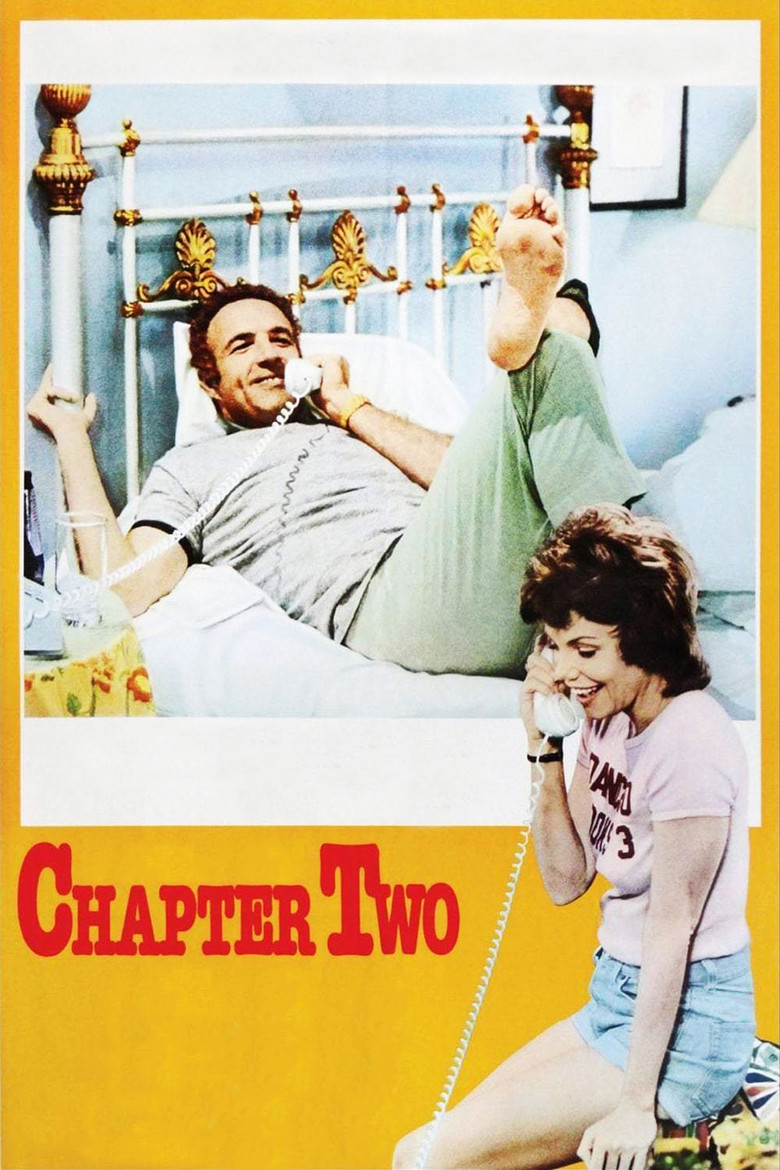
1979
PGDirector
Robert Moore
Runtime
127 minutes
Average Rating
No ratings yetSynopsis
George Schneider is an author whose wife had just died. His brother Leo gives him the number of Jennie Malone, and somehow they hit it off. And just when things are moving along, the memory of his first wife comes between them.
Overall Score
Limited
Category Breakdown
LGBTQ+ Representation
The film operates within a conventional heteronormative framework. There is no evidence of non-cisnormative identities or same-sex intimacy in the narrative.
Gender Representation
While the female lead influences the protagonist's emotional evolution, the story remains centered on the male lead's psychological journey. It follows standard romantic drama tropes.
Racial & Ethnic Diversity
The production reflects the demographic norms of late-1970s urban American cinema. It lacks a non-white majority cast or characters that challenge systemic power dynamics.
Religious & Cultural Diversity
The film adheres to traditional Western narrative structures and individualist themes. It does not offer critiques of Western values or prioritize secularism over social structures.
Disability Representation
There are no visible or invisible disabilities portrayed with agency. Character struggles are strictly psychological and emotional, stemming from bereavement.
Strengths
Areas for Improvement
AI Analysis
Chapter Two is a conventional character study that prioritizes traditional romantic and psychological tropes. The narrative focuses on a widower's grief and his attempt to navigate a new relationship, staying firmly within the mainstream dramatic structures of its era. The film lacks intentionality regarding the disruption of systemic hierarchies. It functions as a period-typical exploration of interpersonal relationships rather than a vehicle for progressive representation or cultural subversion. Ultimately, the work reflects the homogeneous, middle-class experience common in 1970s cinema, offering little in the way of diverse perspectives or intersectional storytelling.
1997
1966
1988
1992
1982
1958
2017
1951

1979
1985
1968

1981
No reviews yet. Be the first to share your thoughts on this movie!
Use the rating form above to leave a star rating and optional review.