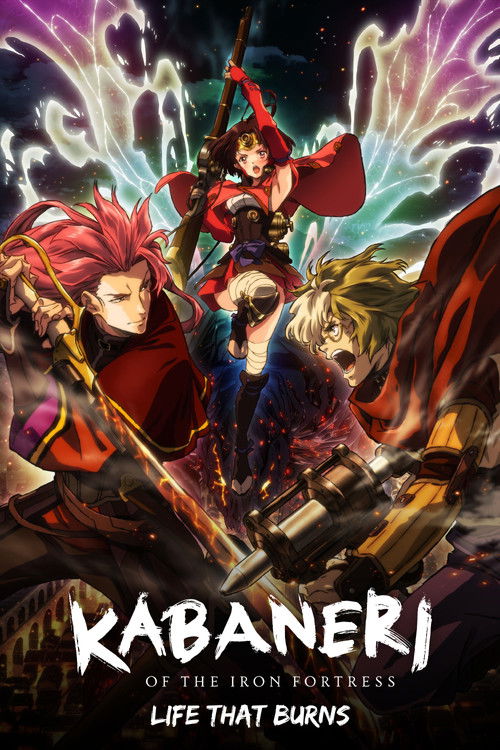
Kabaneri of the Iron Fortress: Life That Burns
2017
No user ratings available yet
Representation score: 5.8 out of 10
Representation Score
Good
2019
RDirector
Tetsuro Araki
Runtime
82 minutes
Average Rating
No ratings yetNew Showbiz Analysis
The film excels at subverting traditional gender hierarchies by positioning female characters as essential, highly proficient combatants. This moves the narrative away from traditional damsel archetypes toward more capable, central roles. However, the work remains limited in its engagement with broader identity-based critiques. It lacks explicit LGBTQ+ narratives and diverse racial representation, focusing instead on a culturally specific, homogeneous setting. Ultimately, the film relies on character strength to challenge social roles within a highly structured military hierarchy, even if it avoids deeper systemic or sociological subversion.
Category Breakdown
The film does not include explicit LGBTQ+ characters or non-cisgender identities. The interpersonal dynamics focus on the central duo without any obvious queer-coded subtext or critiques of the assumption that everyone is straight or cisgender.
Mumei serves as a key plot driver, possessing combat skills that exceed traditional feminine archetypes. Female characters act as essential combatants rather than passive figures requiring protection.
The setting is a stylized Meiji-era Japan with an ethnically homogeneous cast. While the Kabane serve as a metaphor for an 'othered' class, the human population lacks diverse representation.
The story explores tensions between technological advancement and survival within rigid military hierarchies. Characters often prioritize individual survival and localized ethics over formal authority mandates.
The Kabaneri function as a metaphor for biological 'otherness' and physical alteration. However, they are framed as combatants or threats rather than individuals navigating disability with nuanced ability to act.
Present on Screen
Limited or Absent
Official Synopsis
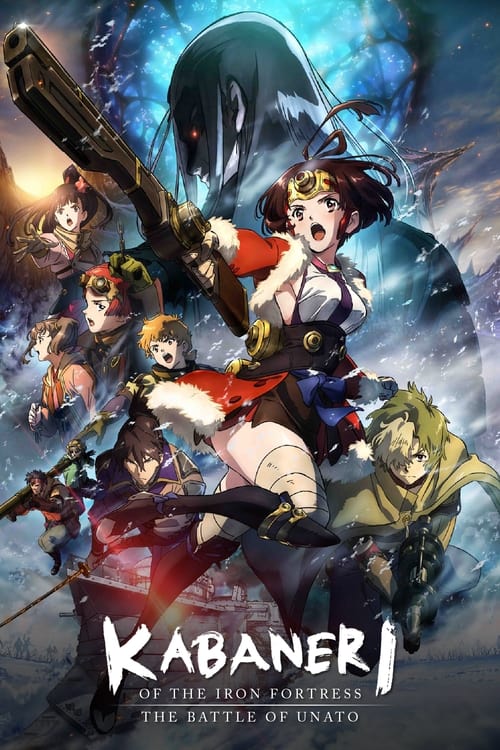
In the midst of an industrial revolution, the people of Hinomoto fight hordes of undead creatures, known as Kabane, using powerful armored trains. Half a year after the events of the original TV series, the heroes of the Iron Fortress attempt to take back Unato Castle.
2017

2015
2016
2014

2012

2024

2020

2018
No reviews yet. Be the first to share your thoughts on this movie!
Use the rating form above to leave a star rating and optional review.