
Kabaneri of the Iron Fortress: Life That Burns
2017
No user ratings available yet
Diversity score: 3.8 out of 10
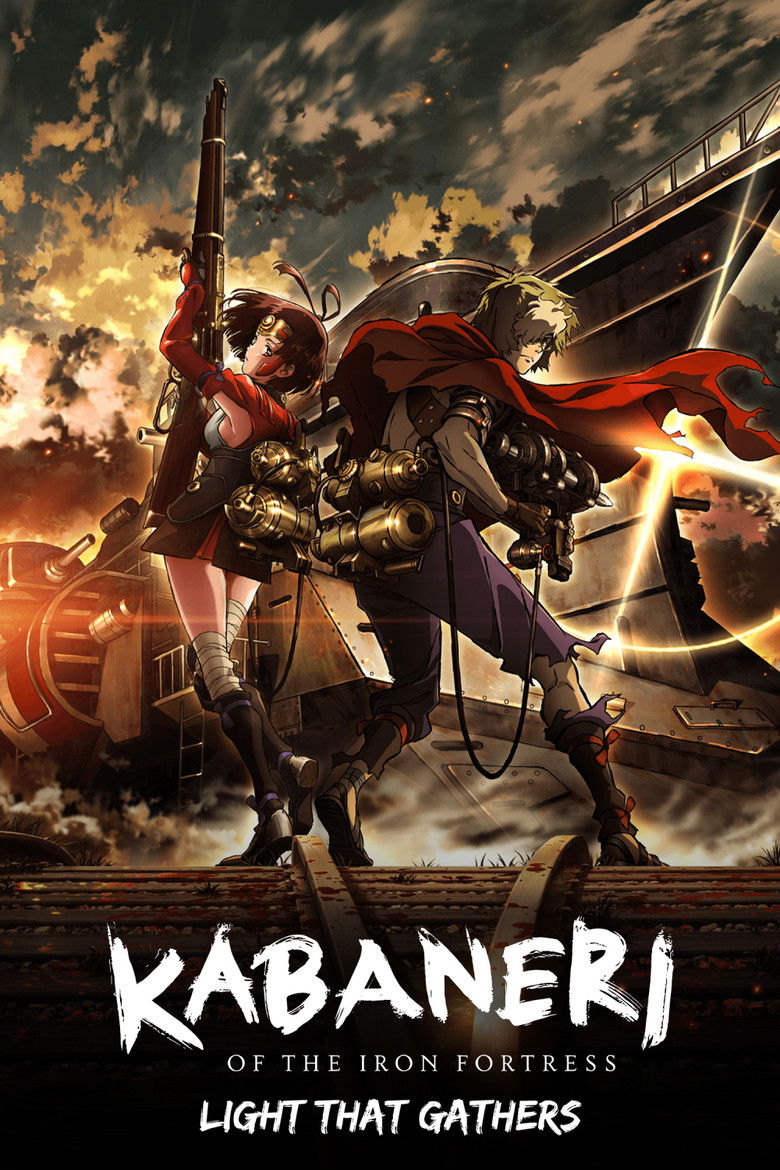
2016
Director
Tetsuro Araki
Runtime
103 minutes
Average Rating
No ratings yetSynopsis
In the midst of an industrial revolution, the people of Hinomoto fight hordes of undead creatures, known as Kabane, using powerful armored trains. (Compilation film of the first half of the original TV series.)
Overall Score
Fair
Category Breakdown
LGBTQ+ Representation
The story prioritizes species survival over individual identity politics. There is no visible evidence of non-cisnormative identities or same-sex relationships within the character dynamics.
Gender Representation
Female characters like Mumei act as primary drivers of the plot. They demonstrate combat proficiency and tactical agency that rivals or exceeds their male counterparts.
Racial & Ethnic Diversity
The setting utilizes a stylized, steampunk Hinomoto era with a predominantly Japanese cast. This reflects the specific cultural aesthetic of the world-building.
Religious & Cultural Diversity
The narrative explores tension between industrial progress and biological catastrophe. It prioritizes survivalism and situational ethics over rigid adherence to institutional morality.
Disability Representation
The Kabaneri state serves as a metaphor for physical or neurodivergent deviation. This biological difference is integrated into character identities rather than treated as a deficit.
Strengths
Areas for Improvement
AI Analysis
The film excels at subverting traditional gender hierarchies by positioning women as essential, highly capable combatants. The concept of the Kabaneri also provides a sophisticated metaphor for navigating life with biological deviations. However, the narrative remains culturally homogeneous, rooted in a specific Japanese-inspired aesthetic that lacks multi-ethnic engagement. The absence of LGBTQ+ representation also limits the scope of its social exploration. Ultimately, the work finds its strength in individual agency and the deconstruction of societal norms through the lens of survivalism.
2017

2019

2015
No reviews yet. Be the first to share your thoughts on this movie!
Use the rating form above to leave a star rating and optional review.