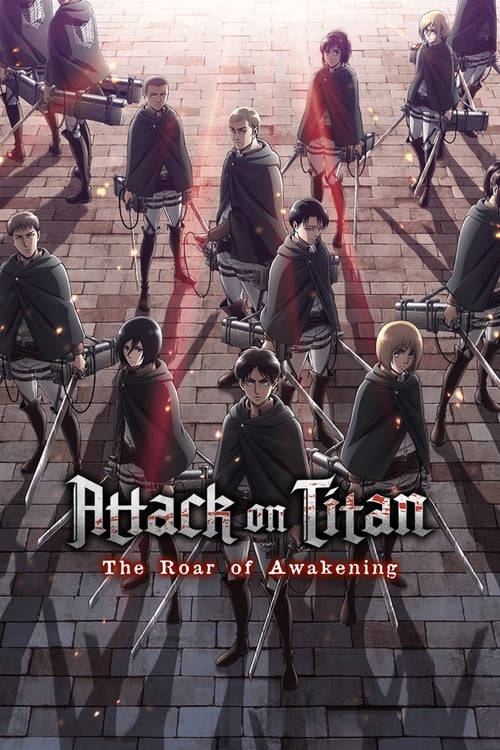
Attack on Titan: The Roar of Awakening
2018
No user ratings available yet
Representation score: 5.7 out of 10
Representation Score
Fair
2014
Not RatedDirector
Tetsuro Araki
Runtime
118 minutes
Average Rating
No ratings yetNew Showbiz Analysis
The film functions as a high-stakes survival narrative that prioritizes genre-specific clichés over diverse identity explorations. While it successfully challenges traditional gender roles through capable female warriors, the social structure remains largely homogeneous. The narrative architecture is built upon rigid hierarchies and the necessity of military discipline. This focus on institutional authority and survivalist bonds leaves little room for diverse identity explorations or critiques of established social structures. Ultimately, the work remains anchored in a traditional framework where the primary conflict is biological and tactical rather than social or cultural.
Category Breakdown
The film does not include explicit LGBTQ+ identities or non-straight relationships. Character interactions focus almost exclusively on military cohesion and survivalist bonds within a traditional framework.
Female combatants like Mikasa Ackerman demonstrate high levels of ability to act and physical prowess. The narrative avoids submissive roles, presenting women as essential, highly capable agents in the struggle.
The cast features a relatively homogeneous ethnic archetype consistent with the series' setting. Conflict is driven by the biological distinction between humans and Titans rather than ethnic diversity.
The story prioritizes the preservation of military and walled city-state institutions. It reinforces authority and collective discipline rather than critiquing Western-style institutionalism or religion.
Physical trauma is used primarily to illustrate the lethality of the Titans. There is no significant focus on neurodivergence or nuanced representation of characters with chronic illnesses.
Present on Screen
Limited or Absent
Official Synopsis
When man-eating Titans first appeared 100 years ago, humans found safety behind massive walls that stopped the giants in their tracks. But the safety they have had for so long is threatened when a colossal Titan smashes through the barriers, causing a flood of the giants into what had been the humans' safe zone.
2018

2015
2018

2024
2017
2019
2009
2014
No reviews yet. Be the first to share your thoughts on this movie!
Use the rating form above to leave a star rating and optional review.