Bonifacio: Ang Unang Pangulo
2014
No user ratings available yet
Representation score: 3.5 out of 10
Representation Score
Fair
1975
Director
Lino Brocka
Runtime
77 minutes
Average Rating
No ratings yetNew Showbiz Analysis
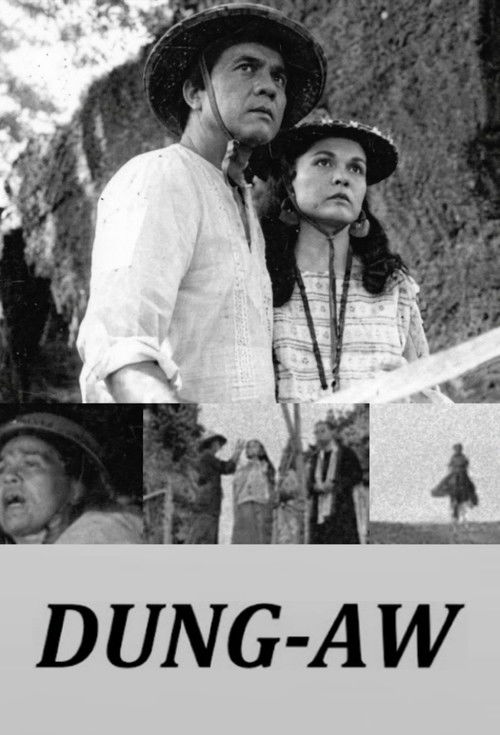
Lino Brocka’s historical drama disrupts conventional formulas by highlighting indigenous ability to act and female leadership. The film effectively critiques both racial colonial hierarchies and gendered expectations of power. By framing the protagonists' defiance of Spanish law as a pursuit of justice, the narrative moves beyond simple lawlessness. It uses a sophisticated framework to explore sovereignty and systemic critique. While the film excels in racial and gendered representation, it lacks any focus on LGBTQ+ identities or disability representation.
Category Breakdown
The film focuses on the romantic and political partnership of Diego and Gabriela Silang. There are no characters with non-traditional gender identities or sexual orientations.
Gabriela Silang challenges traditional gender roles by taking a leading role in the uprising and organizing resistance after Diego's imprisonment. She defies passive female roles typically seen in historical dramas.
The story centers on Ilocos natives resisting Spanish colonial rule. It prioritizes a non-Western perspective by showing the local population as active agents of resistance.
The narrative critiques Western colonial institutions and exploitative economic practices. It portrays the struggle against unfair trade monopolies as a necessary response to systemic injustice.
There are no visible or invisible disabilities portrayed within the central character arcs of the film.
Present on Screen
Limited or Absent
Official Synopsis
Diego and Gabriela Silang are landed Ilocos natives disaffected with the imposition of the indulto de comercio (a law giving right to Spanish officials to buy rice and tobacco at the price they prefer). The year is 1762 and the British invade Manila, the childless couple is among the landowners denying aid to the Spaniards in thwarting the British. When the Spaniards in retaliation jail Diego, his wife gathers their confederates and leads the uprising herself.
2014
1969
1989
1952
1985

2016
1961

2015
No reviews yet. Be the first to share your thoughts on this movie!
Use the rating form above to leave a star rating and optional review.