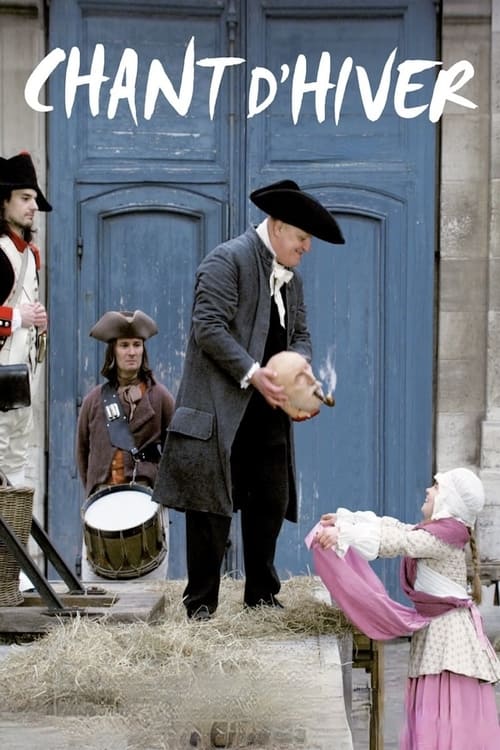
Winter Song
2015
No user ratings available yet
Representation score: 5.4 out of 10

Representation Score
Fair
1996
Director
Otar Iosseliani
Runtime
117 minutes
Average Rating
No ratings yetNew Showbiz Analysis
Brigands, Chapter VII is a sophisticated, non-linear comedy that prioritizes systemic critique over individual identity politics. Using a consistent ensemble cast across four distinct time periods, the film dismantles the concept of fixed identity and historical continuity. The film excels in examining cultural and institutional history through its movement between Georgia and France. This structure allows for a postmodern exploration of power and the cyclical nature of authority. However, the film lacks specific representation of LGBTQ+ identities or disabilities. The focus remains on intellectual complexity and historical cycles rather than character-driven diversity.
Category Breakdown
The film does not include explicit representations of LGBTQ+ identities or character arcs focused on non-conforming gender identities. Instead, it emphasizes historical and temporal changes.
By recasting the same actors across different time periods, the film challenges traditional gender roles. The ensemble approach likely undermines the typical heroic male storyline.
The film examines cross-cultural interactions by shifting between the Caucasus and Western Europe. This broad geographic range questions the idea of a singular identity.
The narrative critiques historical institutions by comparing different Georgian periods. It presents a skeptical view of traditional progress and state power.
There is no discernible evidence regarding the portrayal of physical or neurodivergent disabilities in the film.
Present on Screen
Limited or Absent
Official Synopsis
A witty, despairing French-Russian-Italian-Swiss art movie set in 16th-century Georgia, Stalinist Georgia, contemporary Georgia, and contemporary Paris, featuring the same set of actors in all four settings.
2015
1980
1985

1971

1967
1991
1962

2015
No reviews yet. Be the first to share your thoughts on this movie!
Use the rating form above to leave a star rating and optional review.