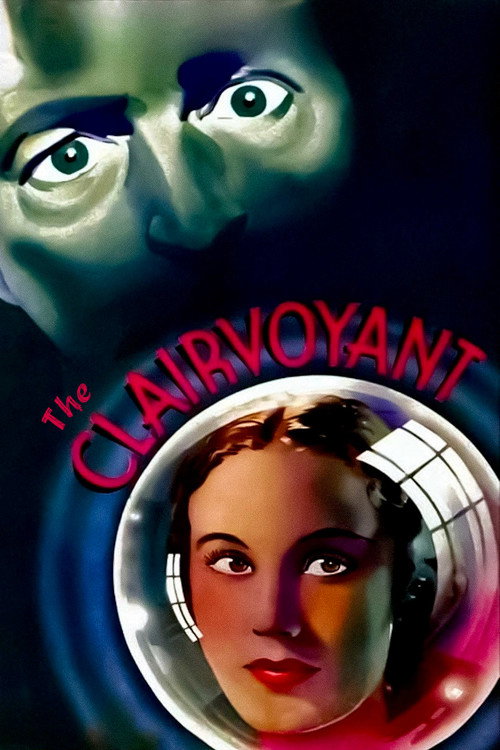
The Clairvoyant
1935
No user ratings available yet
Representation score: 1.6 out of 10
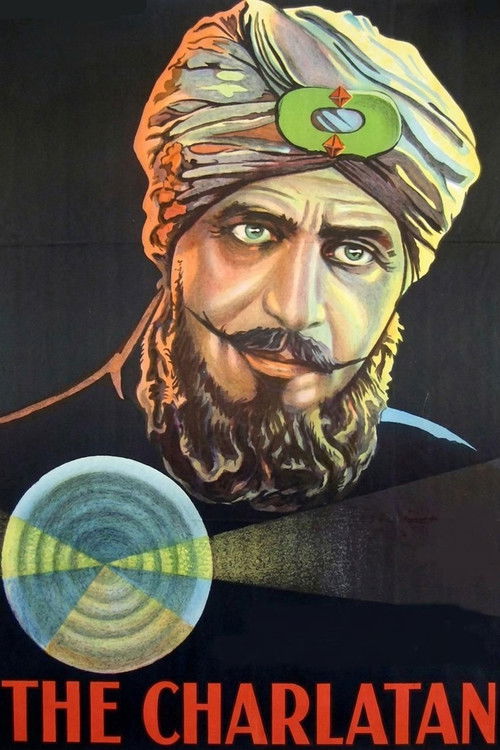
Representation Score
Minimal
1929
PassedDirector
George Melford
Runtime
63 minutes
Average Rating
No ratings yetNew Showbiz Analysis
The Charlatan is a period-specific thriller that upholds the social and gender hierarchies of the late 1920s. Its narrative hinges on traditional concepts of domestic stability and moral retribution, using a fractured family unit as the main source of conflict. Although the film examines individual ethics through its deceptive protagonist, it fails to engage meaningfully with diverse identities. Operating within the conventional studio system, it emphasizes melodrama and personal vengeance over challenging social norms. Ultimately, the work reinforces the era’s status quo. It lacks meaningful engagement with diverse identities, focusing instead on a singular social group and the repercussions of breaking traditional domestic bonds.
Category Breakdown
The film adheres to traditional heterosexual relationships. The central conflict revolves around a marriage breakdown and a romantic affair involving a lover.
The female protagonist takes a leading role by leaving her family, but this action is portrayed as a moral failure. Male characters primarily drive the plot through revenge and catalyst roles.
The cast appears uniform, reflecting the mainstream Hollywood standards of 1929. There is no indication of racial blending or diverse ethnic representation.
The story delves into the exploitation of spiritual beliefs and faith systems. However, it centers on personal deception and vengeance rather than a broader critique of religious institutions.
The narrative does not include any characters with physical, sensory, or neurodivergent disabilities.
Present on Screen
Limited or Absent
Official Synopsis
A woman goes to a sideshow fortune-teller to have her fortune told, and is astonished when the man looks into his crystal ball and goes into great detail about events in her past that few people ever knew about. Shaken, she leaves and later tells her girlfriend about the incident. The girlfriend insists that she invite the fortune-teller to a party they're having at her house. What the woman doesn't realize is that the "fortune-teller" is actually the ex-husband she abandoned years ago, when she took their daughter and ran off with her lover. When the "charlatan" is invited to the party, he sees an opportunity to take his revenge on his faithless ex-wife.
1935
1922

1928
1924
1950
1940

1940

1922
No reviews yet. Be the first to share your thoughts on this movie!
Use the rating form above to leave a star rating and optional review.