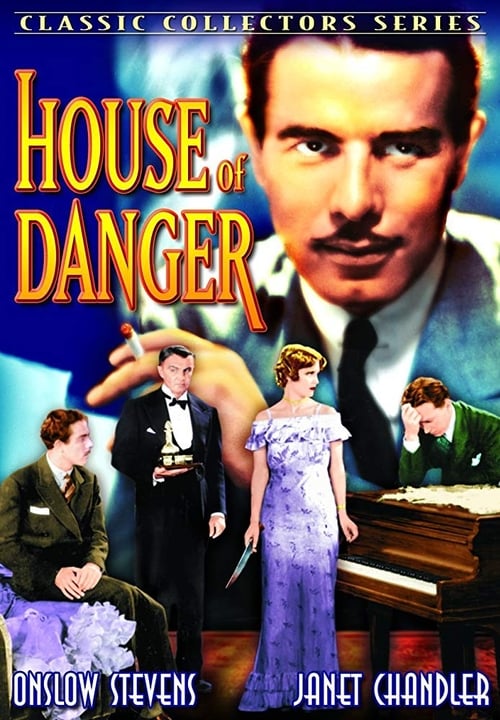
House of Danger
1934
No user ratings available yet
Representation score: 0.4 out of 10
Representation Score
Minimal
1950
Director
Francis Searle
Runtime
78 minutes
Average Rating
No ratings yetNew Showbiz Analysis
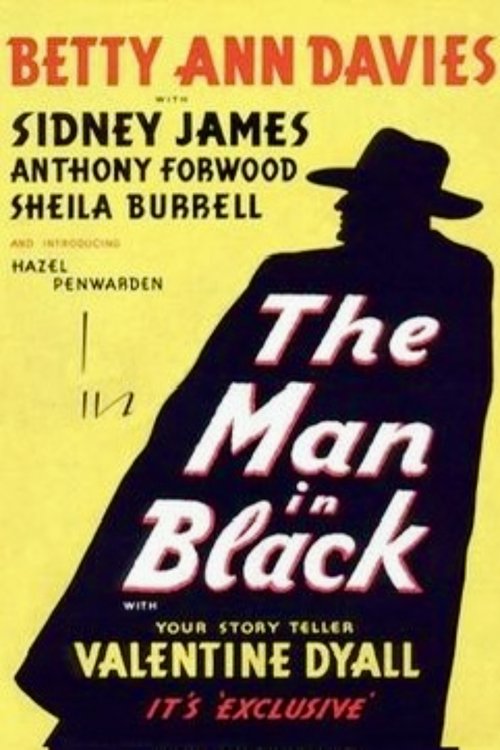
The Man in Black is a conventional mid-century thriller that adheres strictly to the social and demographic norms of its time. It functions as a standardized piece of British B-movie production, prioritizing genre clichés over social critique. The narrative focuses on individual greed and familial conflict, rather than exploring diverse identities or systemic issues. While the female lead exhibits a degree of ability to act, she uses it to navigate existing power structures rather than challenge them. Ultimately, the film lacks the narrative structure to disrupt traditional norms, presenting a view of the world that is culturally and demographically homogeneous.
Category Breakdown
The film does not include any characters with non-binary gender identities or LGBTQ+ orientations. The storyline centers around a traditional family conspiracy typical of the era's social norms.
A female character drives the plot through her ambition and involvement in a conspiracy. However, her influence is limited to navigating existing power structures within a patriarchal society.
The film reflects the homogeneous demographics of 1950s British cinema. There are no characters from non-Anglo-Saxon backgrounds or diverse casting.
The story upholds traditional Western views on property and the nuclear family. It operates entirely within established capitalist and social systems.
There are no characters with visible or invisible disabilities mentioned in the film. No evidence supports a representation score.
Present on Screen
Limited or Absent
Official Synopsis
A woman conspires to steal her stepdaughter's inheritance following the mysterious death of her millionaire husband.
1934
1964
1944
1940
1945
1950
1946
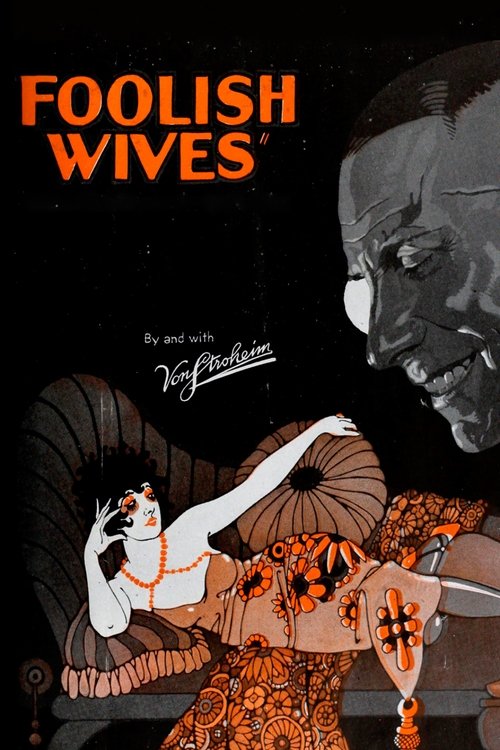
1922
No reviews yet. Be the first to share your thoughts on this movie!
Use the rating form above to leave a star rating and optional review.