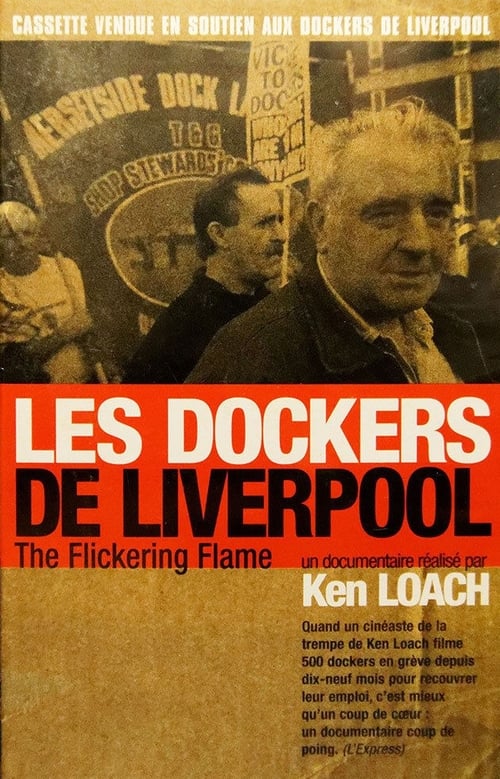
The Flickering Flame
1996
No user ratings available yet
Representation score: 6.8 out of 10
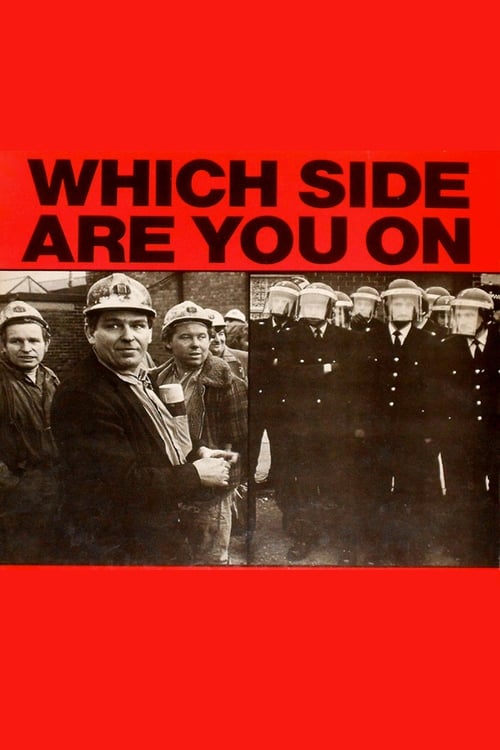
Representation Score
Fair
1985
Director
Ken Loach
Runtime
53 minutes
Average Rating
No ratings yetNew Showbiz Analysis
Ken Loach’s documentary excels as a piece of social realism, offering a powerful critique of industrial capitalism. It successfully highlights the collective ability to act of the working class in the 1930s. However, the film is limited by its historical focus, resulting in a lack of racial and LGBTQ+ diversity. The subjects reflect the specific demographic realities of Northern England during the Great Depression, which limits its broad scope. Ultimately, the film prioritizes ideological engagement over demographic diversity, focusing more on class-based struggle and communal solidarity than on varied character studies.
Category Breakdown
The film focuses strictly on the socioeconomic realities of the 1930s mining industry. There is no evidence of LGBTQ+ characters or non-straight relationships within the archival footage.
The narrative challenges the stereotype of the passive female by highlighting women's active roles in community organizing and strike support. Women are portrayed as essential pillars of the labor movement.
Reflecting the demographics of Northern England during the Great Depression, the subjects are almost exclusively white. The film lacks diverse racial perspectives.
The film offers a critical look at Western economic structures and industrial capitalism. It emphasizes collective solidarity and systemic critique over individualist capitalist values.
There is no explicit representation of specific physical disabilities or neurodivergence. While the physical toll of mining is implied, disability is not a central narrative driver.
Present on Screen
Limited or Absent
Official Synopsis
The documentary features the British miners and their family experiences told through songs, poems, pictures and words.
1996

1976
1935

2016
2014
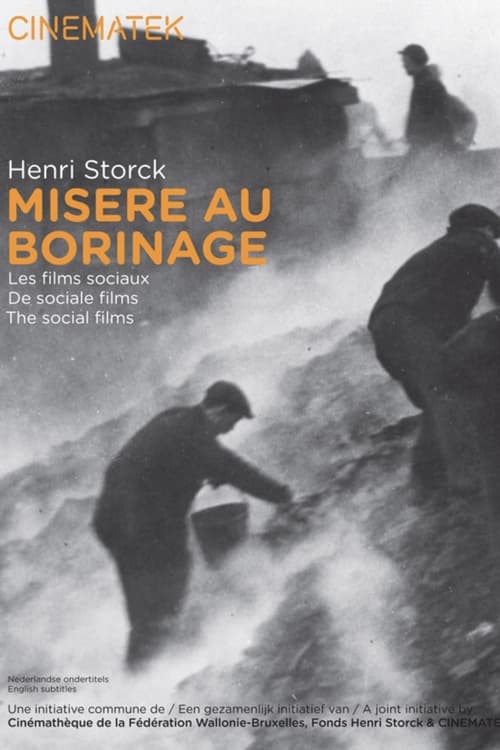
1934

1968
1930
No reviews yet. Be the first to share your thoughts on this movie!
Use the rating form above to leave a star rating and optional review.