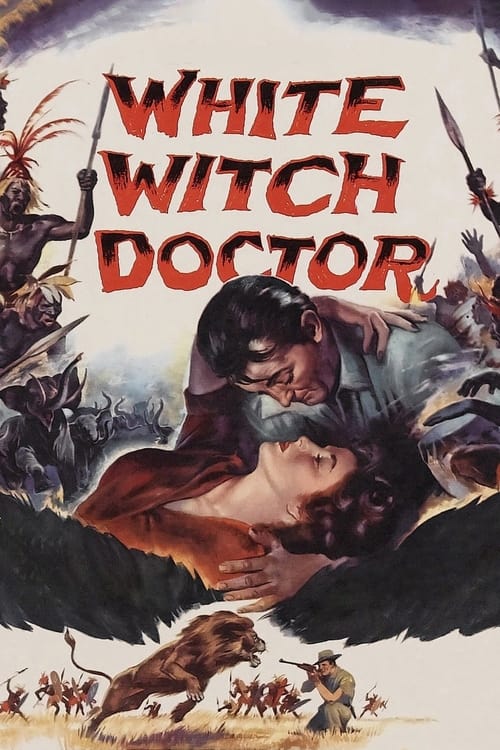
White Witch Doctor
1953
No user ratings available yet
Representation score: 1.0 out of 10
Representation Score
Fair
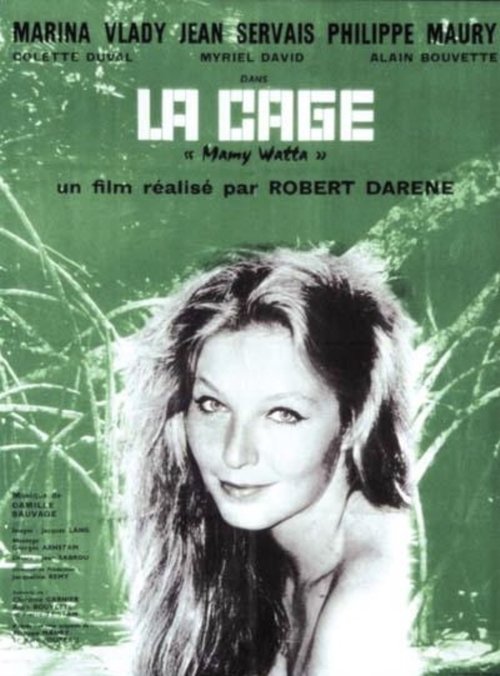
1963
Director
Robert Darène
Runtime
85 minutes
Average Rating
No ratings yetNew Showbiz Analysis
The Cage stands out for its progressive approach to racial dynamics for 1963. By centering a Black professional, the film challenges the era's standard colonial hierarchies and explores the psychological complexities of identity. However, the film remains limited by the period's constraints regarding gender and LGBTQ+ visibility. Women are primarily shown as background figures or emotional drivers rather than independent agents. Ultimately, while the film offers a sophisticated look at cultural assimilation and racial friction, its reliance on traditional gender roles and superstitious clichés prevents a higher overall assessment.
Category Breakdown
The film does not include any visible LGBTQ+ characters or narratives. The story revolves around a traditional marriage focused on the protagonist.
Women are mainly portrayed as domestic figures or as catalysts for the protagonist's internal struggles. The narrative structure emphasizes male-driven power dynamics.
The film centers on a Black physician who holds significant social and intellectual authority. This challenges colonial stereotypes by placing a person of color in a position of professional expertise.
The story delves into cultural displacement and the tension of colonial influence. However, it relies on tribal superstition as a central plot device.
There is no information about the portrayal of physical or neurodivergent disabilities in this work.
Present on Screen
Limited or Absent
Official Synopsis
An African physician returns home after studying medicine in Paris. He marries and settles down to life in the bucolic splendor of his native land. When he has a confrontation with a white plantation owner, the white man sees red and casts a spell on the African doctor. Although he realizes the curse is an ancient tribal superstition, he still is plagued by the ghost of his late first wife. The black doctor and the white man are assimilated into cultures in which neither of them were born in this vexing jungle tale.
1953
1943
1965
1959
1956

2016

1972

1981
No reviews yet. Be the first to share your thoughts on this movie!
Use the rating form above to leave a star rating and optional review.