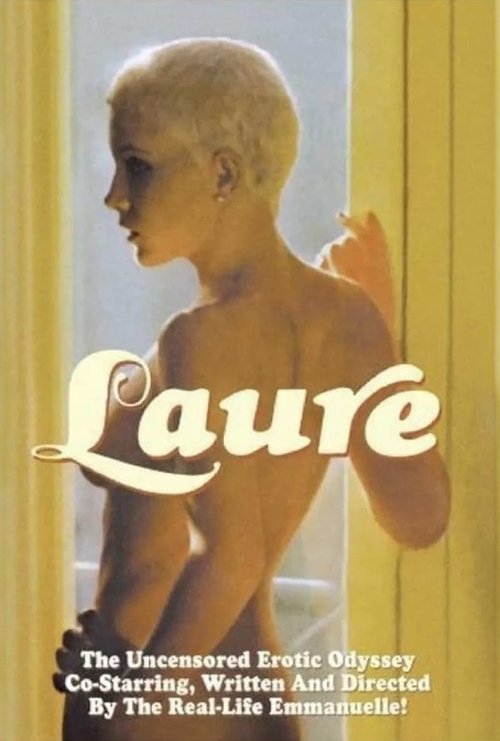
Laure
1976
No user ratings available yet
Representation score: 5.9 out of 10

Representation Score
Good
1972
Director
Barbet Schroeder
Runtime
105 minutes
Average Rating
No ratings yetNew Showbiz Analysis
The Valley serves as a reflection on the tension between Western colonial ambitions and indigenous sovereignty. Using an extractive mission, the film critiques capitalist expansion and the commodification of nature. While the film effectively portrays the Mapuga tribe and criticizes the colonial perspective, it lacks representation for LGBTQ+ identities and disability. These omissions temper the overall impact of its social commentary. Ultimately, the film succeeds in deconstructing Western superiority, using the New Guinea highlands to question the perceived progress of the civilized world.
Category Breakdown
The film does not depict LGBTQ+ identities or non-cisgender gender expressions. The story focuses on the conflicts between European travelers and the Mapuga tribe.
Viviane leads the expedition, but her role is tied to her position as a diplomat's wife. She gains ability to act through high-stakes survival situations, challenging traditional gender roles.
The Mapuga tribe is shown who play a significant role in driving the story and a unique value system. The film critiques the explorer cliché by highlighting the clash between Western interests and indigenous life.
The film contrasts Western institutions with Mapuga communal structures, critiquing modernity. It portrays the search for exotic goods as a symptom of capitalist greed.
The film does not feature characters with visible or invisible disabilities as central plot devices. Physical challenges are presented as universal environmental obstacles.
Present on Screen
Limited or Absent
Official Synopsis
Viviane, a French Consul's wife, is in New Guinea to find exotic feathers for export to Paris. She encounters four European travelers who are en route to "La Vallée": The Valley, high in the Guinean mountains, is shown on maps as 'obscured by clouds' and is beyond their previous experiences. Viviane joins their trek to find rare feathers and soon becomes entwined in their journey. Their extended stay with the Mapuga tribe brings a denouement between western and indigenous values before their final quest toward the 'Valley of the Gods'.
1976
1964
1991
1991
1955

1981
1990
1965
No reviews yet. Be the first to share your thoughts on this movie!
Use the rating form above to leave a star rating and optional review.