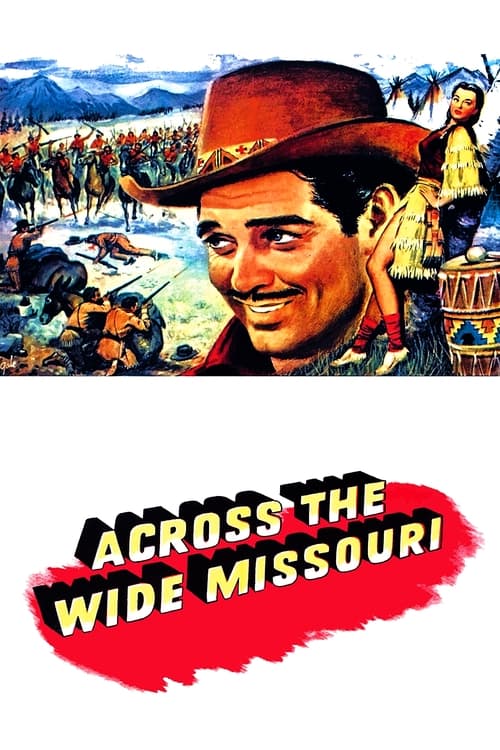
Across the Wide Missouri
1951
No user ratings available yet
Representation score: 1.1 out of 10
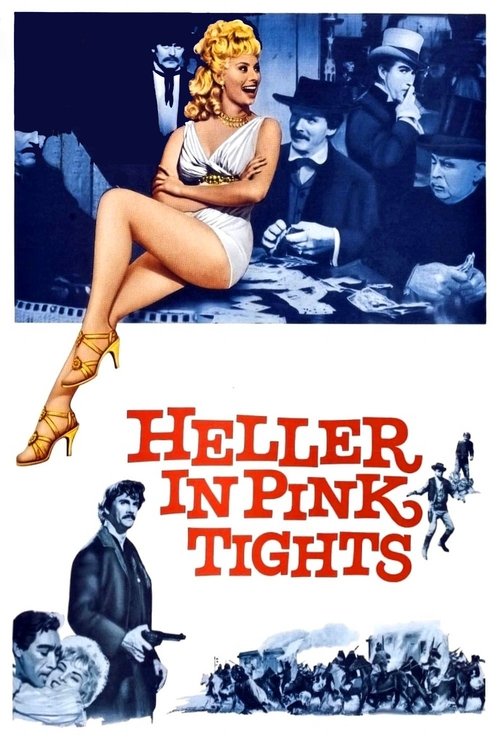
Representation Score
Limited
1960
NRDirector
George Cukor
Runtime
100 minutes
Average Rating
No ratings yetNew Showbiz Analysis
George Cukor's direction offers a nuanced exploration of gender dynamics, empowering female characters within a traditionally male-dominated environment. This subversion of conventional hierarchies enhances the film's social commentary. However, the film's demographic range is limited. The cast is overwhelmingly homogeneous, and there is no representation of LGBTQ+ individuals or characters with disabilities. Overall, the film effectively critiques institutional oppression through its portrayal of outsiders, despite being constrained by the social and racial norms of its time.
Category Breakdown
The film centers on romantic tension between the main characters but does not explicitly depict non-traditional gender identities or same-sex relationships, reflecting the social norms of its period setting.
Women play key roles in driving the narrative and ensuring the troupe's survival. They exhibit professional independence and strong decision-making, avoiding stereotypes of submission.
The cast is primarily composed of white Europeans, with no indication of color-blind casting or the inclusion of diverse ethnic backgrounds.
The performers are portrayed as outsiders living on the fringes of feudal and religious systems. By highlighting the troupe's itinerant lifestyle as a professional necessity, the film critiques oppressive social structures.
There are no prominent depictions of physical, sensory, or neurodivergent disabilities. Characters are represented within the typical able-bodied archetypes of the adventure genre.
Present on Screen
Limited or Absent
Official Synopsis
Nineteenth century Wyoming: the wild West. Mild-mannered Tom Healy has a two-wagon theater troupe hounded by creditors because Angela, his leading lady and the object of his affection, constantly buys clothes. In Cheyenne, they meet with applause, so they hope to stay awhile: the theater owner likes Angela, and she keeps him on a string. She's also the object of the attentions of Mabry, a gunslinger who's owed money by the richest man in Bonanza.
1951
1960
1947
1940
1926
1953
1926
1965
No reviews yet. Be the first to share your thoughts on this movie!
Use the rating form above to leave a star rating and optional review.