
Robbers' Roost
1932
No user ratings available yet
Representation score: 0.5 out of 10
Representation Score
Minimal
1932
PassedDirector
Bruce Mitchell
Runtime
60 minutes
Average Rating
No ratings yetNew Showbiz Analysis
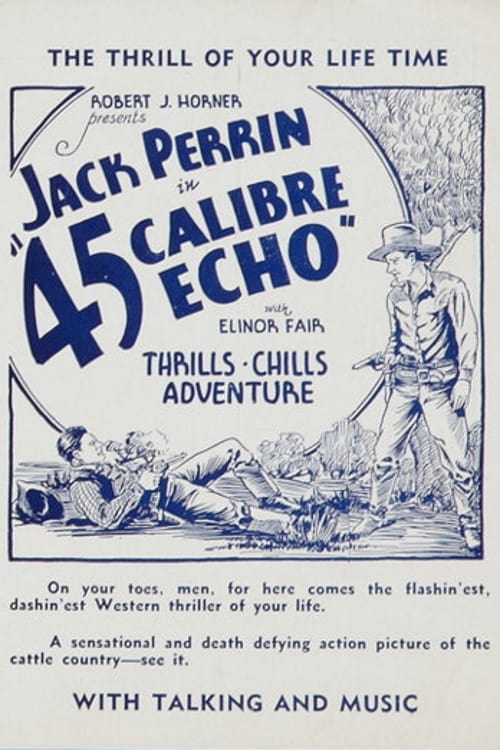
45 Calibre Echo is a typical 1930s Western that relies heavily on traditional genre clichés. The plot revolves around a masculine revenge motif, where the protagonist seeks justice for a kidnapped sister. This structure prioritizes male heroism and female victimhood. The film lacks depth in representing diverse identities, offering little beyond the conventional archetypes of the era. While the border setting provides a backdrop for potential cultural tension, the narrative remains focused on individualistic frontier morality and personal retribution. Ultimately, the film functions as a period-typical action piece. It adheres to the conservative social values of 1932, emphasizing traditional family units and singular cultural perspectives without challenging established norms.
Category Breakdown
The film follows a framework centered on traditional family relationships, with no evidence of LGBTQ+ identities or narratives that challenge traditional social structures.
The plot is driven by male characters, with the male lead and his sidekick taking center stage. The female character remains passive, serving mainly as a catalyst for male action.
Despite the Texas-Mexico border setting suggesting potential for ethnic diversity, the film lacks characters with non-white backgrounds who play a significant role in driving the story. It likely adheres to a singular, dominant cultural perspective.
The narrative emphasizes individualistic justice and frontier morality, focusing on personal retribution and family protection without engaging in institutional or anti-capitalist critiques.
The story focuses strictly on action-adventure elements, with no mention of characters navigating physical, sensory, or neurodivergent experiences.
Present on Screen
Limited or Absent
Official Synopsis
A cowhand and his sidekick come to the Texas border country looking for the man who had lured the cowhand's sister in bondage in Mexico. But the man doesn't want to be found and has hired some gunmen to see that he isn't.
1932
1930
1938

1961
1930
1928
1926
1930
No reviews yet. Be the first to share your thoughts on this movie!
Use the rating form above to leave a star rating and optional review.