Home to Danger
1951
No user ratings available yet
Diversity score: 1.8 out of 10
1953
Director
Lars-Eric Kjellgren
Runtime
88 minutes
Average Rating
No ratings yetSynopsis
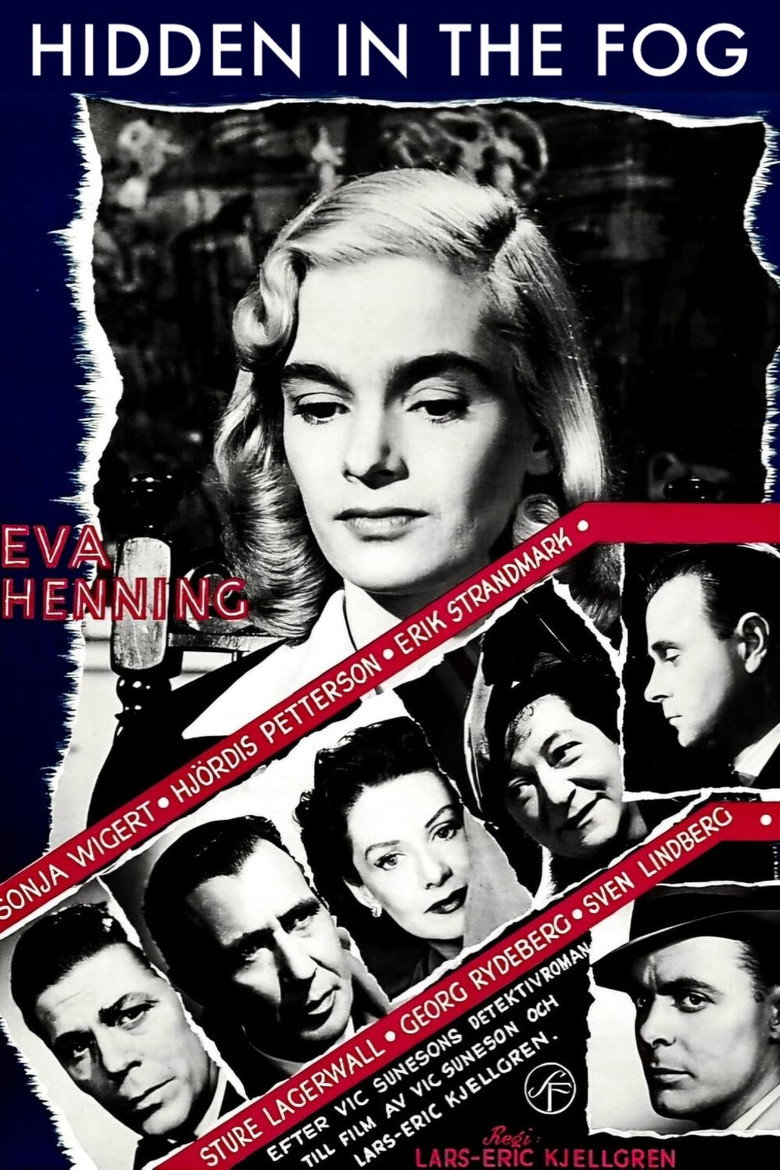
A wealthy woman is suspected of murder and runs from the police, all the while her family and friends discuss the possible motive.
Overall Score
Limited
Category Breakdown
LGBTQ+ Representation
The film lacks any evidence of non-cisnormative identities or same-sex intimacy. The narrative follows the conventional social mores of 1953, focusing strictly on a criminal investigation.
Gender Representation
A female-heavy cast provides notable presence for women in a mid-century thriller. The plot centers on a wealthy woman fleeing police, suggesting a degree of female agency.
Racial & Ethnic Diversity
The production reflects a homogeneous demographic consistent with its Stockholm setting. There is no evidence of diverse casting or non-Anglo-Saxon characters within the narrative.
Religious & Cultural Diversity
The story reinforces existing class structures and legal institutions through its murder mystery trope. It lacks any significant deconstruction of Western institutions or secularist themes.
Disability Representation
There is no mention of characters possessing visible or invisible disabilities within the available synopsis or historical data.
Strengths
Areas for Improvement
AI Analysis
Hidden in the Fog is a traditional mid-century Swedish mystery that adheres to the social and demographic frameworks of its era. While it offers a central role for a female protagonist, the film remains rooted in the conventional structures of 1950s crime cinema. The narrative focuses on the tension between an individual and the state, reinforcing established class and legal hierarchies rather than challenging them. The cast and setting reflect a homogeneous population typical of the period. Ultimately, the film lacks the intersectional complexity or systemic critique necessary to move beyond a standard period portrayal of crime and investigation.
No reviews yet. Be the first to share your thoughts on this movie!
Use the rating form above to leave a star rating and optional review.