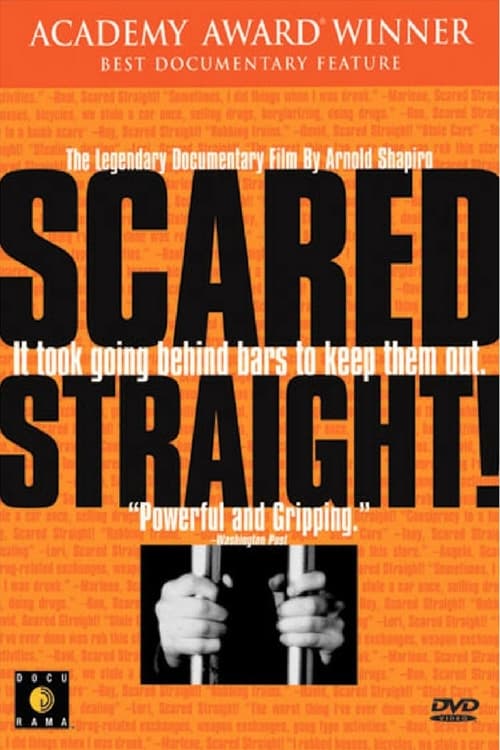
Scared Straight!
1978
No user ratings available yet
Representation score: 1.1 out of 10
No Poster Available
Representation Score
Limited
1987
TV-PGDirector
Arnold Shapiro
Runtime
120 minutes
Average Rating
No ratings yetNew Showbiz Analysis
Scared Straight!: 10 Years Later serves as a sociological study of social intervention and institutional efficacy. It succeeds in providing a realistic look at the American justice system by centering the lived experiences of people of color. However, the film is heavily limited by its narrow setting. The focus on masculine-coded correctional environments results in a significant lack of gender and LGBTQ+ diversity. The narrative is driven by displays of toughness and dominance within a strictly male lens. Ultimately, the documentary functions as an observational tool regarding systemic cycles. While it lacks representation for many demographics, it provides a nuanced view of how social structures like family and law enforcement impact recidivism.
Category Breakdown
The film does not include any LGBTQ+ characters or non-cisgender identities. Its scope is limited to the demographic realities of the 1980s penal system.
The narrative focuses almost exclusively on male subjects, including both juvenile participants and adult inmates. It reinforces traditional masculine hierarchies and lacks gender diversity.
The documentary provides significant representation of Black and minority youth. It reflects the systemic demographic realities of the American urban justice system during this era.
The film offers a critical look at the effectiveness of American rehabilitative programs. It depicts broken family units and the struggle against systemic cycles of crime.
There is no discernible focus on neurodivergence, physical disabilities, or mental health. Subjects are viewed through behavioral delinquency rather than disability-informed frameworks.
Present on Screen
Limited or Absent
Official Synopsis
A follow up to the 1978 documentary. Wherein we take a look at the kids who were sent to a prison and were subjected to the words of the convicts in the prison in hopes of getting them to go straight. We get a look of how they are doing. We also look at some of the convicts. How some of them got out but ended up back in prison.
1978

2020
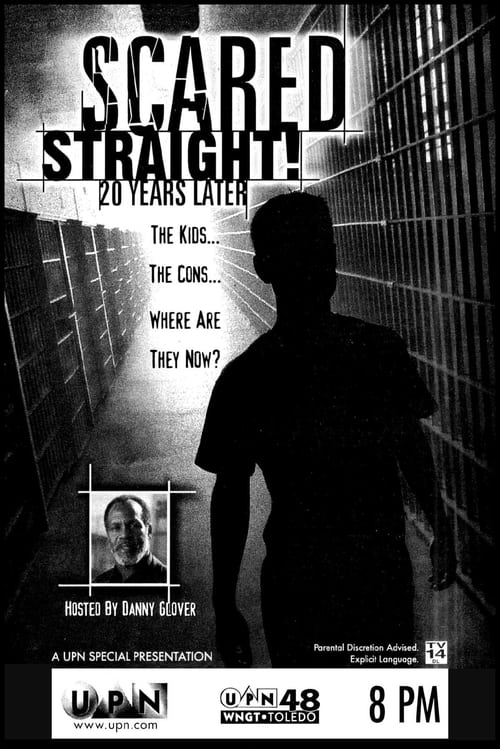
1999
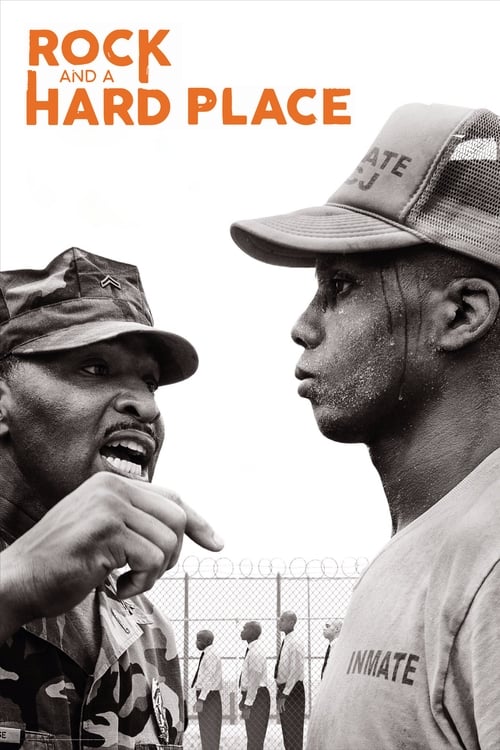
2017

2017
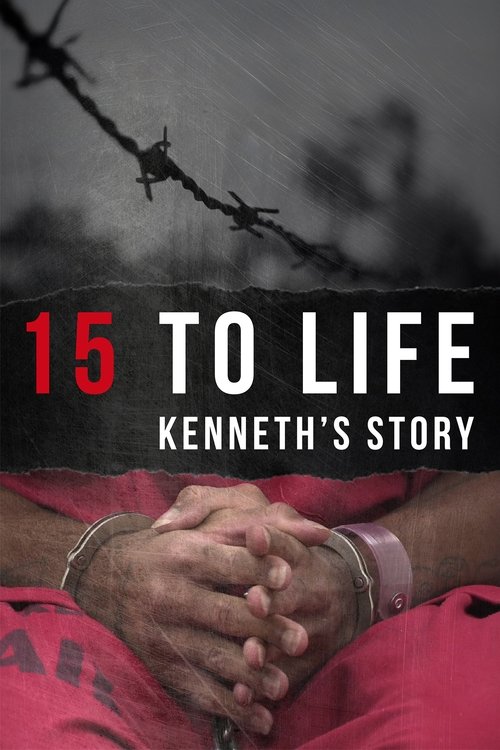
2014
No reviews yet. Be the first to share your thoughts on this movie!
Use the rating form above to leave a star rating and optional review.