Rock and a Hard Place
2017
No user ratings available yet
Representation score: 3.7 out of 10
Representation Score
Minimal
1978
TV-PGDirector
Arnold Shapiro
Runtime
52 minutes
Average Rating
No ratings yetNew Showbiz Analysis
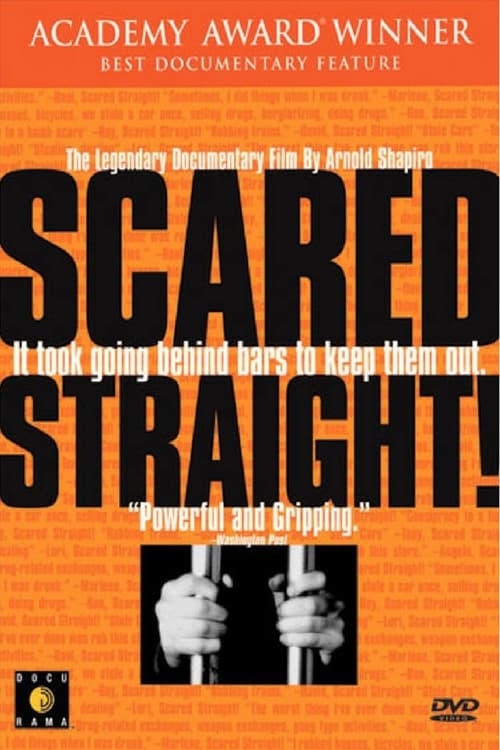
Scared Straight! serves as a document of institutional reinforcement rather than a tool for social deconstruction. It uses fear and state authority to validate the carceral system as a corrective mechanism for juvenile delinquency. While the film captures a diverse demographic of urban youth, this representation is incidental. The subjects are viewed through the lens of institutional intervention rather than as individuals with unique identities. Ultimately, the film prioritizes social conformity and the preservation of established hierarchies. It reinforces existing Western legal frameworks instead of challenging systemic power dynamics or offering a critique of the institutions it depicts.
Category Breakdown
The film does not depict any LGBTQ+ identities or stories. The social environment focuses solely on traditional masculine hierarchies.
The film is dominated by male characters, focusing on interactions between young males and male authority figures. It reinforces strict, patriarchal structures of discipline.
The film includes a mix of Black and white youths, reflecting urban socioeconomic realities. However, racial identity is secondary to their shared status as at-risk individuals.
The documentary aligns with traditional Western institutional values and supports authority narratives. It presents a clear distinction between legal compliance and anti-social behavior without critique.
There is no representation of physical disabilities, neurodivergence, or mental health conditions. The focus remains entirely on behavioral conduct and legal culpability.
Present on Screen
Limited or Absent
Official Synopsis
The filmed depiction of a program where convicts tell troubled kids about the horrors of prison life. Preserved by the Academy Film Archive in 2007.
2017
2012
1999

1967
1979

2020

1998

1979
No reviews yet. Be the first to share your thoughts on this movie!
Use the rating form above to leave a star rating and optional review.