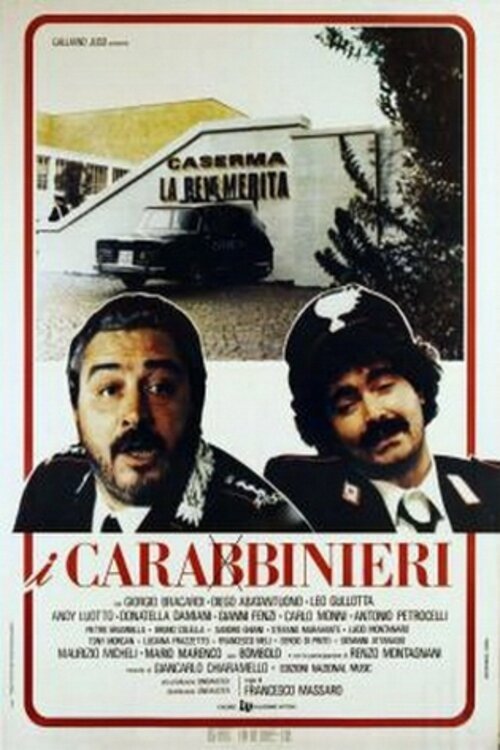
I Carabbinieri
1981
No user ratings available yet
Representation score: 3.9 out of 10
Representation Score
Limited
1978
Director
Giancarlo Santi
Runtime
0 minutes
Average Rating
No ratings yetNew Showbiz Analysis
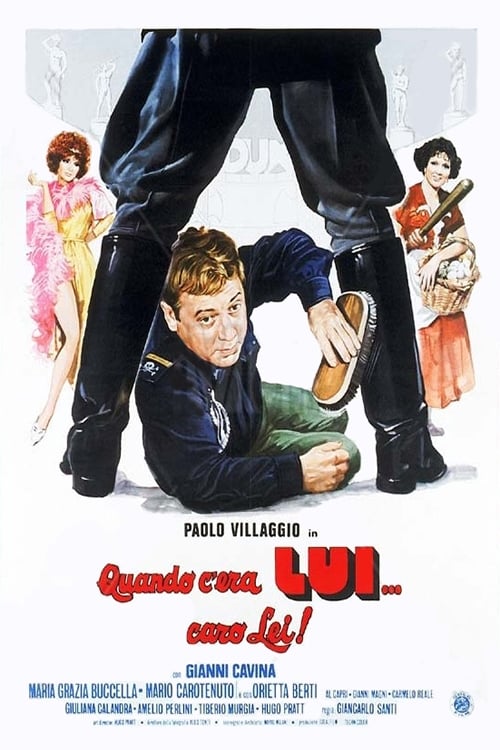
Giancarlo Santi’s satire serves mainly as a political critique of the Fascist era. It effectively dismantles the perceived stability of historical institutions through a comedic lens, providing a progressive deconstruction of state authority. However, the film lacks significant representation of diverse identities. The narrative structure focuses heavily on male political figures, and the homogeneous setting limits racial and ethnic diversity. Ultimately, the film's strength lies in its institutional critique rather than its broad demographic representation, reflecting the specific historical and production contexts of 1978 Italy.
Category Breakdown
The film does not include any explicit LGBTQ+ characters or non-straight identities. The main storyline centers around political figures like the Senator and the Commissioner.
The story emphasizes male-driven political discussions, reflecting traditional gender hierarchies of the time. Although there are female characters, the central plot revolves around male figures.
The cast and setting seem largely uniform, focusing on the internal workings of Italian Fascism. This focus on domestic politics leads to a lack of racial and ethnic diversity.
The film stands out by using satire to break down historical institutions and nationalist structures. The inclusion of an anarchist character further criticizes state authority and traditional power dynamics.
There is no indication of the portrayal of physical or neurodivergent disabilities within the narrative.
Present on Screen
Limited or Absent
1981

2004
1985

1980

1975
1975
1988
1978
No reviews yet. Be the first to share your thoughts on this movie!
Use the rating form above to leave a star rating and optional review.