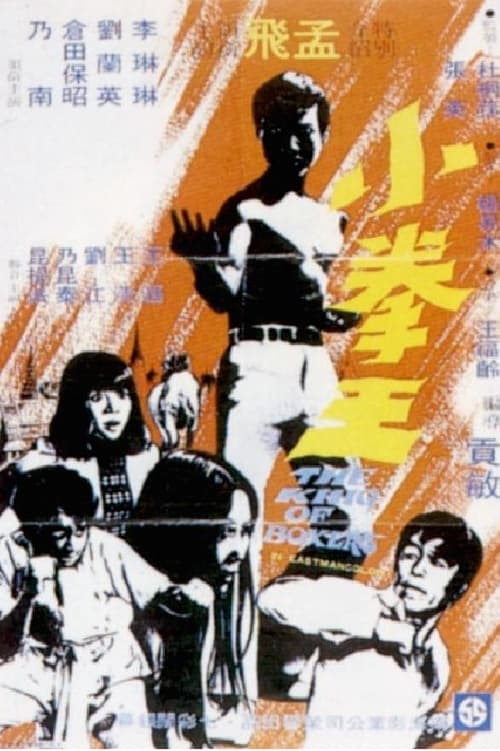
The King of Boxers
1972
No user ratings available yet
Diversity score: 4.5 out of 10
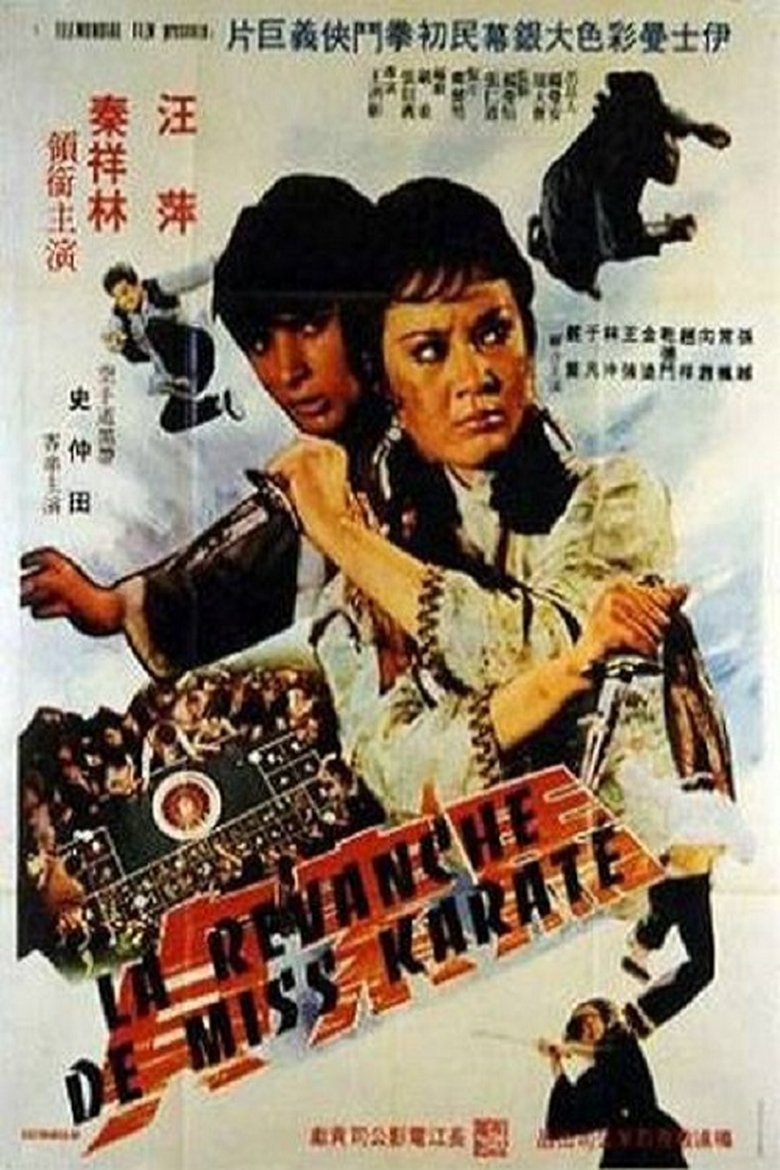
1973
18Director
Wang Hung-Chang
Runtime
87 minutes
Average Rating
No ratings yetSynopsis
The cinematic follow up to the Shaw Brothers classic The Boxer from Shangtung! What's that? The infamous Boxer from Shangtung has a sister? Yes indeed. And guess what? She's cut from the same heroic kung fu cloth as her sibling. You messed with her brother, and now you're going to get a taste of Ma Su-Cheng's feet and fists of fury.
Overall Score
Fair
Category Breakdown
LGBTQ+ Representation
The film offers no evidence of non-cisnormative identities or same-sex intimacy. It adheres to the traditional heteronormative structures typical of 1970s action cinema.
Gender Representation
Ma Su-Cheng subverts traditional hierarchies by serving as a physically dominant protagonist. Her martial agency and 'fists of fury' disrupt the trope of the passive female character.
Racial & Ethnic Diversity
The cast is predominantly East Asian, reflecting the Shaw Brothers studio's regional focus. It maintains a culturally specific identity without adopting a Western-centric gaze.
Religious & Cultural Diversity
The story emphasizes traditional values like familial loyalty and honor-based retribution. It reinforces social structures centered on kinship and protecting the family unit.
Disability Representation
There is no mention of characters with visible or invisible disabilities within the narrative.
Strengths
Areas for Improvement
AI Analysis
The film serves as a genre-driven expansion of a martial arts lineage, shifting the focus from a male protagonist to a female counterpart. This pivot provides a meaningful disruption of gendered power dynamics, granting the female lead central agency through combat. However, the work remains rooted in the era's traditional social structures. It lacks intersectional complexity and does not explore diverse identities beyond its established cultural and gendered framework. Ultimately, the film occupies a transitional space, offering moderate representation through its heroic female lead while remaining within the conventional bounds of 1970s action cinema.
1972
1979

1983
1977
1972
1980
1974
1970
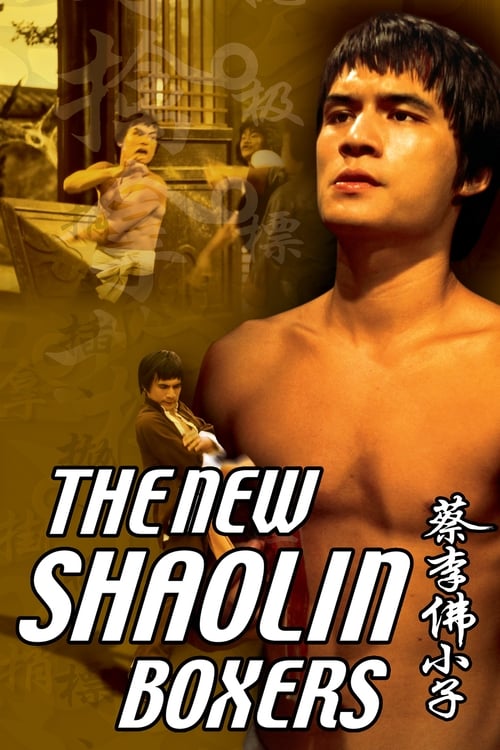
1976
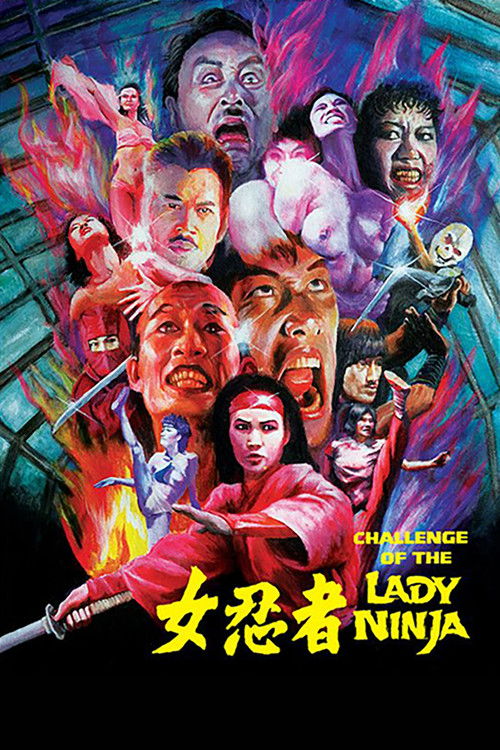
1983
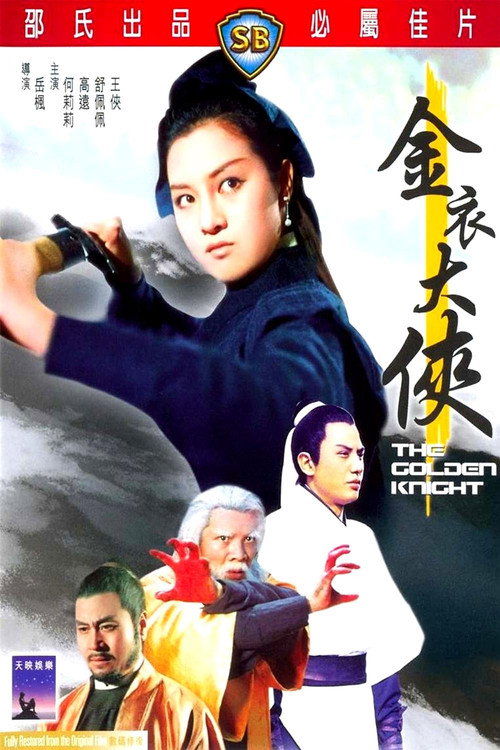
1970

1980
No reviews yet. Be the first to share your thoughts on this movie!
Use the rating form above to leave a star rating and optional review.