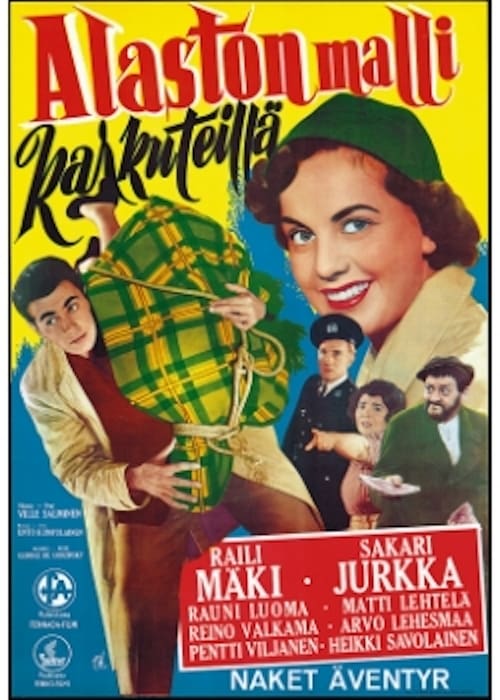
Alaston malli karkuteillä
1953
No user ratings available yet
Representation score: 1.8 out of 10
Representation Score
Limited
1960
Director
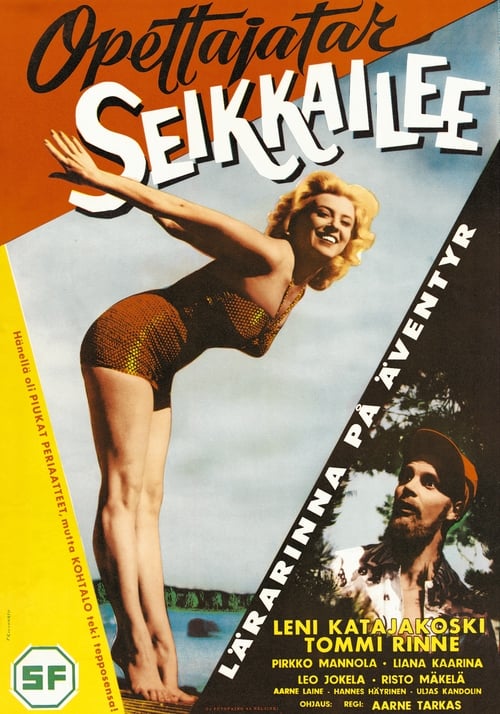
Aarne Tarkas
Runtime
97 minutes
Average Rating
No ratings yetNew Showbiz Analysis
Opettajatar seikkailee operates within a largely homogeneous and straight-centered framework typical of its era. While it avoids modern multi-layered complexities, it offers a slight subversion of gender clichés by centering a woman as the primary driver of the action. The film's strength lies in its protagonist's active role, as Leena Kataja's decisions propel the plot forward. However, the lack of racial, cultural, or LGBTQ+ diversity keeps the film firmly rooted in a localized, mid-century Finnish context. Ultimately, the comedy relies on situational misunderstandings and the incompetence of authority figures rather than social critique, making it a traditional period piece.
Category Breakdown
The film adheres to a traditional framework where everyone is assumed to be straight or cisgender. It focuses on a romantic tension between a female teacher and a male artist, with no explicit LGBTQ+ characters present.
Leena Kataja is an active protagonist who drives the plot through her own choices. She is not a passive figure but takes charge of her destiny, while male-dominated law enforcement is shown as incompetent.
The production reflects the demographic homogeneity of 1960s Finland. There is no evidence of a multicultural cast or non-white representation within the social environment.
The story functions as a lighthearted comedic caper. While it shows skepticism toward institutional competence, it lacks a deep critique of systemic Western or capitalist structures.
There is no discernible mention of characters with visible or invisible disabilities in the narrative or cast.
Present on Screen
Limited or Absent
Official Synopsis
An uptight all-girl school teacher Leena Kataja stumbles upon a handsome artist Pertti Rinne who paints her face on a nude portrait, much to her chagrin. She is intent on keeping the painting out of circulation by stealing it from an art gallery, but the aftermath turns out to be more complex than she anticipated, leading Leena to become involved in various misunderstandings featuring a gang of criminals, inept cops and false murder charges among other things.
1953
1964
1959

1964
1980
1964
1963
1951
No reviews yet. Be the first to share your thoughts on this movie!
Use the rating form above to leave a star rating and optional review.