Pekka ja Pätkä pahassa pulassa
1955
No user ratings available yet
Representation score: 0.5 out of 10
Representation Score
Limited
1959
Director
Armand Lohikoski
Runtime
69 minutes
Average Rating
No ratings yetNew Showbiz Analysis
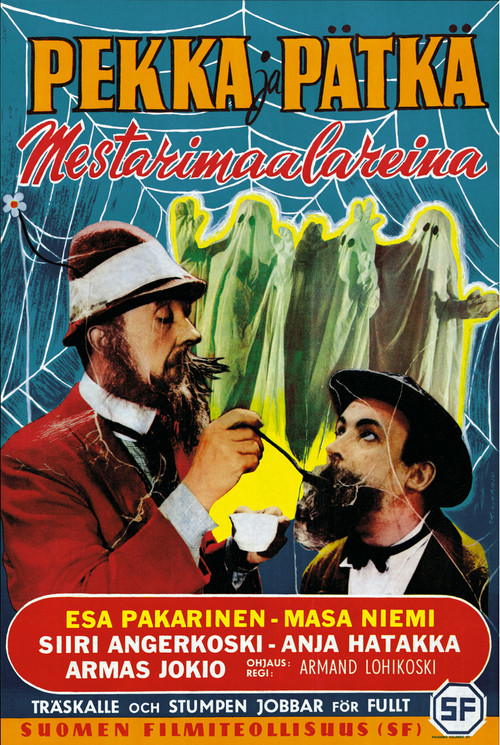
Pekka ja Pätkä mestarimaalareina is a period-specific comedy that reflects the social constraints of 1950s Finland. The narrative prioritizes slapstick escapism over the exploration of progressive or multi-layered themes. The film maintains traditional hierarchies, with male characters driving the plot and female characters occupying secondary or domestic roles. The homogeneous cast and lack of diverse identities align with the era's demographic realities. Ultimately, the film functions as a standard commercial comedy. It resolves chaos through social reintegration and conventional goals rather than challenging systemic social structures.
Category Breakdown
The film does not include any LGBTQ+ characters and operates within a strictly straight-centered framework typical of 1950s commercial cinema.
Male protagonists Pekka and Pätkä play significant roles in driving the story. While Justiina acts as a plot catalyst, she functions as a domestic motivator rather than an independent agent.
The cast is highly homogeneous, reflecting the demographic reality of 1950s Finland. There is no evidence of racial diversity or non-Finnish identities.
The story adheres to traditional mid-century social values. It reinforces community through an altruistic act but avoids engaging with anti-religious or anti-capitalist themes.
There is no significant depiction of physical or neurodivergent disabilities. The protagonists' incompetence serves as a slapstick comedic device rather than a nuanced exploration of disability.
Present on Screen
Limited or Absent
Official Synopsis
Justiina pushes Pekka and Pätkä to take painting lessons after realizing that art can be a way to earn a living. With the help of the yard children, a painting is created that wins first prize at a contemporary art exhibition. In the meantime, the men, along with their assistant Miss Kaihokielo, have been charged with art theft. After the misunderstanding is cleared up, the Puupääs use the art prize money to convert the house's bomb shelter into a children's clubroom.
1955

1971
1958
1971
1960
1955

1966
1953
No reviews yet. Be the first to share your thoughts on this movie!
Use the rating form above to leave a star rating and optional review.