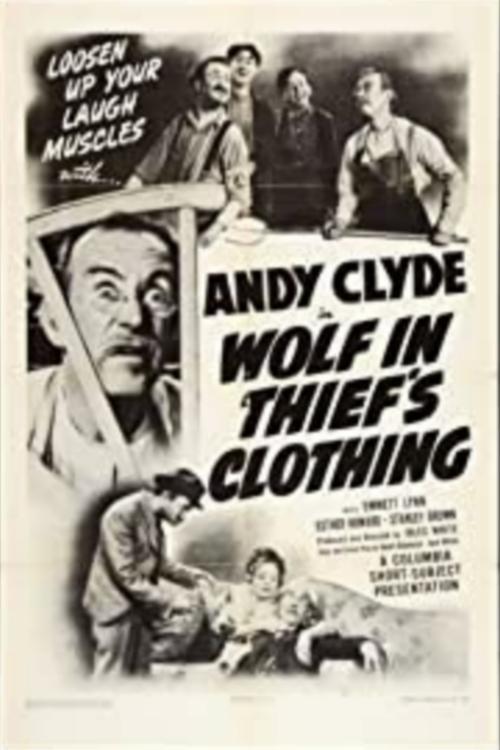
Wolf in Thief's Clothing
1943
No user ratings available yet
Representation score: 0.4 out of 10
Representation Score
Minimal
1940
ApprovedDirector
Jules White
Runtime
17 minutes
Average Rating
No ratings yetNew Showbiz Analysis
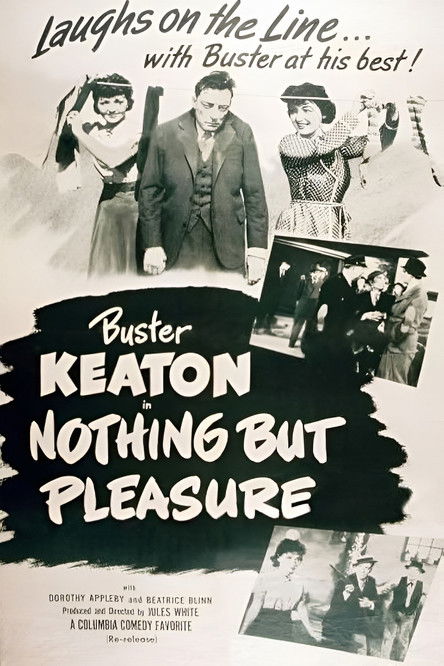
Nothing But Pleasure is a period-specific artifact that reinforces the social and economic norms of the early 1940s. The narrative focuses on a husband and wife traveling to Detroit to purchase a car, a premise rooted in mid-century consumerist aspirations. The film lacks intentionality regarding diverse representation. It relies on traditional comedic structures and homogeneous casting standards typical of the era's studio system. Ultimately, the work functions as a conventional domestic comedy that offers no critique of systemic hierarchies or social norms.
Category Breakdown
The film does not include any LGBTQ+ characters or narratives. It focuses entirely on a traditional domestic unit pursuing a consumerist goal.
The story centers on a husband and wife navigating a shared economic goal. This aligns with mid-century traditional gender roles and period clichés.
The narrative appears to center on a conventional Western domestic experience. There is no indication of a diverse ensemble or race-bent casting.
The premise celebrates mid-century capitalism and material advancement. It reinforces traditional Western values of industry and family stability.
There is no evidence of characters with visible or invisible disabilities. Physical mishaps in this slapstick context serve as comedic devices rather than nuanced portrayals.
Present on Screen
Limited or Absent
Official Synopsis
To save money, Buster and his wife decide to drive to Detroit to buy a new car, then drive it home.
1943
1934
1941
1971
1931

1927
1941
1940
No reviews yet. Be the first to share your thoughts on this movie!
Use the rating form above to leave a star rating and optional review.