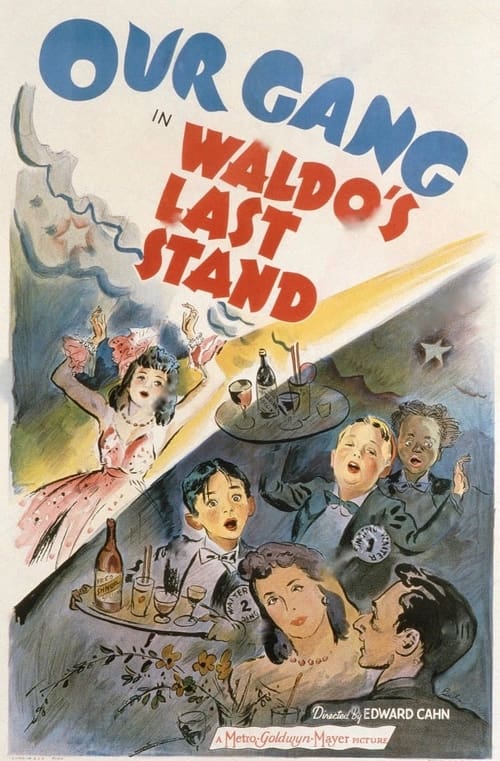
Waldo's Last Stand
1940
No user ratings available yet
Representation score: 1.1 out of 10

Representation Score
Minimal
1941
ApprovedDirector
Edward L. Cahn
Runtime
12 minutes
Average Rating
No ratings yetNew Showbiz Analysis
Wedding Worries is a typical domestic comedy that upholds the social and familial norms of the early 1940s. It relies on traditional archetypes, such as the fear of a wicked stepmother, to create comedic tension. The film does not intentionally seek diverse representation. Instead, it mirrors the mainstream cultural norms of its era, emphasizing the stability of the nuclear family unit. By adhering to the homogeneous demographic standards of the time, the film offers limited perspectives on diversity and fails to subvert established social structures.
Category Breakdown
The film follows traditional heterosexual relationship norms, focusing on the courtship and marriage of a male and female couple.
The narrative emphasizes conventional gender roles from the 1940s, centered around domestic life and wedding preparations without challenging power dynamics.
The cast is homogeneous, reflecting the demographics of 1940s American cinema with no significant racial diversity or characters of color with substantial roles.
The film highlights the traditional family unit through folklore clichés, promoting social cohesion without critiquing institutional or moral norms.
There are no characters with visible or invisible disabilities, nor do such characters play a central role in the plot.
Present on Screen
Limited or Absent
Official Synopsis
The Our Gang kids worry that Darla's new stepmother will be an evil stepmother like of fairy tale fame.
1940
1934
1942
1939
1937
1935
1935
1935
No reviews yet. Be the first to share your thoughts on this movie!
Use the rating form above to leave a star rating and optional review.