Northern Skirts
1999
No user ratings available yet
Representation score: 6.7 out of 10
Representation Score
Good
1994
Director
Fred Kelemen
Runtime
73 minutes
Average Rating
No ratings yetNew Showbiz Analysis
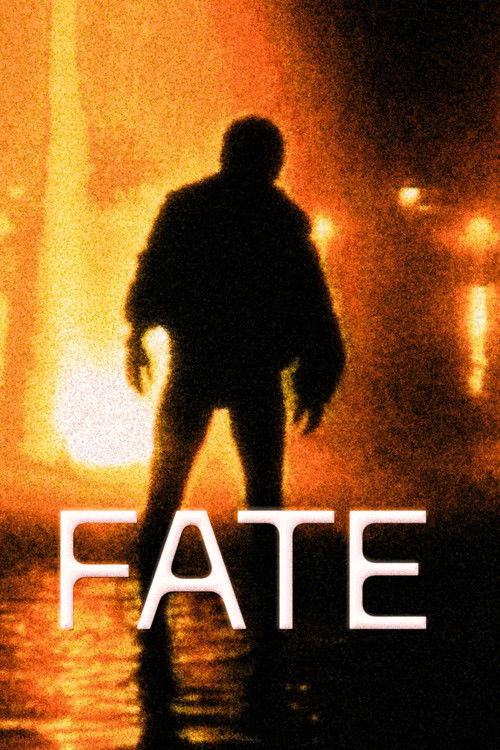
Fate (1994) functions as a deconstruction of traditional social and romantic structures. It replaces the comfort of stable domesticity with a volatile, existential struggle for survival among displaced individuals. The film's strength lies in its multi-layered approach to migration and the rejection of Western-centric narratives. By focusing on the Russian emigrant experience and multi-national convergence, it offers a complex view of identity. However, the film remains somewhat ambiguous regarding specific identity markers. While it challenges traditional romantic clichés, it lacks explicit representation of LGBTQ+ identities or disability, leaving these areas undefined.
Category Breakdown
The film explores a romantic connection between Valery and Ljuba through nocturnal rounds of desire. While it challenges traditional romantic clichés, it does not explicitly confirm their non-straight identities.
Intimacy is portrayed as a site of volatility rather than domestic stability. By presenting love as a gesture of humiliation, the film disrupts conventional gendered power dynamics and idealized partnerships.
The narrative highlights the Russian emigrant experience and the convergence of people from various countries. This focus on lost homelands and displacement rejects a homogeneous Western perspective.
The story prioritizes existentialism over singular religious frameworks. It critiques modern social institutions by portraying traditional refuges and homelands as lost or failed structures.
The narrative provides no specific mention of physical, neurodivergent, or sensory disabilities.
Present on Screen
Limited or Absent
Official Synopsis
The paths of people from various countries cross during the course of one night. They speak different languages, but they are fatefully bound together by the solitary quest for happiness and deliverance. Sloping paths are all that's left for them in an age of lost perspectives, lost refuges and lost homelands. They sink deeper with every movement that should be liberating them. Every gesture of love becomes a gesture of humiliation. The desperate dance of their life has become a passionate dance of death. In the centre of this centrifuge at the end of the millennium the Russian emigrant Valery and his lover Ljuba are turning around each other in a nocturnal round dance of desire and pain, hope and violence and the indestructible will to survive
1999

1998
1997
1976
2003
1992
2007
1999
No reviews yet. Be the first to share your thoughts on this movie!
Use the rating form above to leave a star rating and optional review.