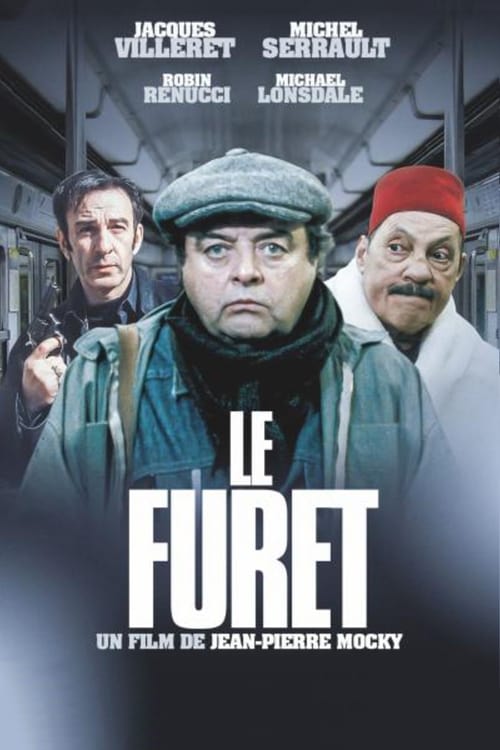
Le Furet
2003
No user ratings available yet
Representation score: 2.9 out of 10
Representation Score
Limited
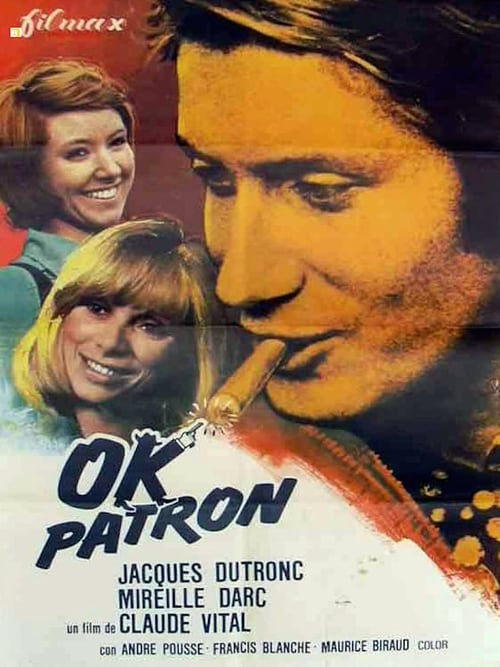
1974
Director
Claude Vital
Runtime
85 minutes
Average Rating
No ratings yetNew Showbiz Analysis
OK Patron operates as a typical 1970s European crime comedy. While it offers a minor subversion of gender roles by giving the female lead strategic command, the narrative remains anchored in the patriarchal structures of the Mafia. The film lacks depth in representing multiple aspects of identity, focusing instead on a homogeneous, Eurocentric view of the 'average Frenchman.' It prioritizes genre clichés and situational ethics over broader cultural or racial diversity. Ultimately, the work adheres to the social norms of its era, providing a localized look at criminal succession without expanding to broader cultural or racial contexts.
Category Breakdown
The film centers on a traditional romantic relationship and does not include any characters with non-cisgender identities or critiques of heterosexuality.
The female lead plays a key role in directing the selection of a new Mafia boss, but the story remains focused on male-dominated criminal structures.
The narrative focuses on the 'average Frenchman' and a local criminal organization, lacking any non-white actors or diverse ethnic backgrounds.
The film challenges conventional morality by presenting a corrupt protagonist as a successful leader, critiquing institutional stability through the lens of the criminal underworld.
There are no characters with physical impairments or neurodivergent traits, and the story does not include any visible or invisible disability representation.
Present on Screen
Limited or Absent
Official Synopsis
Mario, the head of the Mafia in France, has just been mortally wounded. His "companion" decides to find him a successor, before the New York "organization" appoints one. She instructs her two bodyguards to take on anyone who likes money, doesn't have any and, above all, doesn't want to work too hard - in short, "the average Frenchman"... They discover Léon Bonnet, a representative of "magic crosses". They send him gifts: champagne, weapons (a mistake...), a ring for his fiancée, and a meal worthy of the finest gourmets. In return, they take him to Mario's dying bedside, and have him sign over the estate. It's then that Leon, with his angelic good looks, restores order within the Mafia, surprising all his adversaries with his manners, and outwitting the police...
2003
1980
1964
1963
2016
2003
1997
1958
No reviews yet. Be the first to share your thoughts on this movie!
Use the rating form above to leave a star rating and optional review.