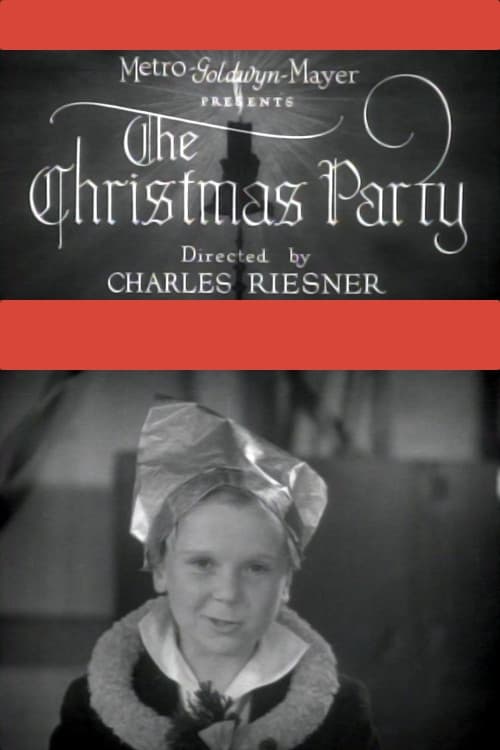
The Christmas Party
1931
No user ratings available yet
Diversity score: 2.2 out of 10

1935
ApprovedDirector
Gene Burdette
Runtime
19 minutes
Average Rating
No ratings yetSynopsis
Various Hollywood performers put on a pirate-themed variety show on Catalina Island, with a number of amiable stars in the audience.
Overall Score
Limited
Category Breakdown
LGBTQ+ Representation
The film adheres to the strict social mores of 1935. There is no evidence of non-heteronormative identities or same-sex intimacy depicted on screen.
Gender Representation
Female performers likely occupy high-energy roles, yet these often lean toward decorative glamour. The film appears to follow the traditional gender hierarchies common in 1930s cinema.
Racial & Ethnic Diversity
The cast likely reflects the demographic homogeneity of the era's studio system. There is no indication of significant agency for characters of color or diverse casting.
Religious & Cultural Diversity
The pirate theme serves as a theatrical device for escapism rather than a cultural critique. The focus remains on celebrating mainstream Hollywood celebrity culture.
Disability Representation
There is no evidence of characters with visible or invisible disabilities. Such representation was rarely addressed with agency in mainstream musical showcases of this period.
Strengths
Areas for Improvement
AI Analysis
Pirate Party on Catalina Isle is a period-specific variety showcase that prioritizes spectacle and star power over social commentary. As a musical short from 1935, it functions primarily as lighthearted escapism designed to celebrate established Hollywood personalities. The film reflects the conservative social and demographic constraints of its era. The narrative architecture lacks the intentionality required to disrupt conventional hierarchies or provide intersectional representation, focusing instead on mainstream social cohesion. Ultimately, the production serves as a window into the mid-1930s studio system, where entertainment value and traditional tropes took precedence over nuanced identity exploration.
1931
1965
1966
1995
2000
1994
1967

2021
1975

2019
1935

2016
No reviews yet. Be the first to share your thoughts on this movie!
Use the rating form above to leave a star rating and optional review.