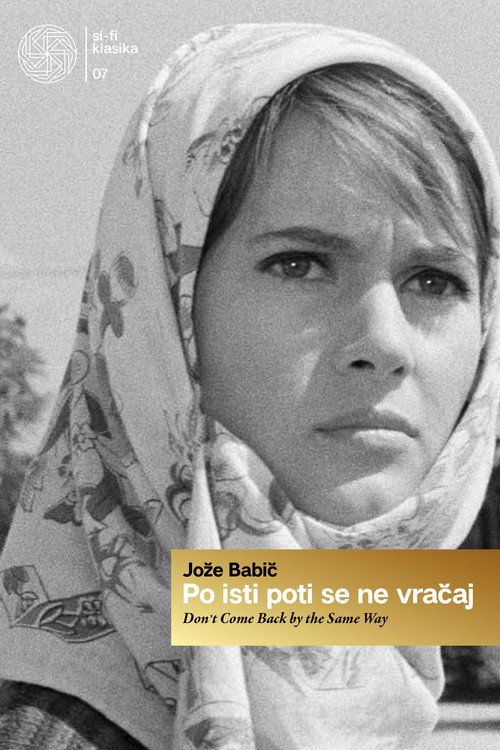
Don't Come Back by the Same Way
1965
No user ratings available yet
Representation score: 4.5 out of 10
Representation Score
Limited
1977
Director
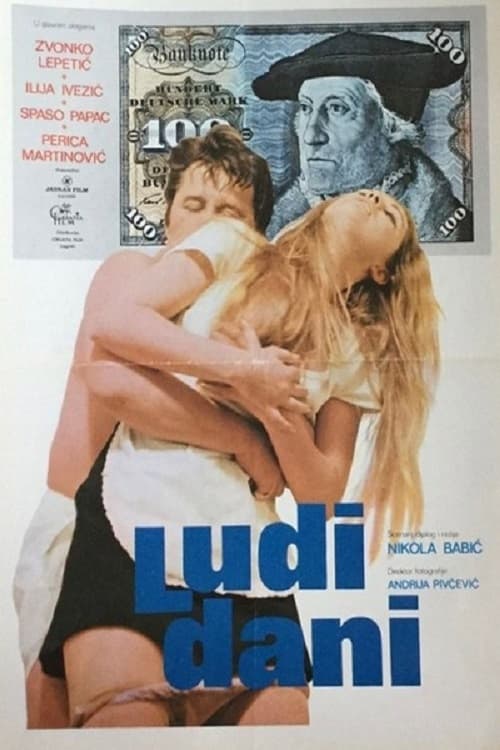
Nikola Babić
Runtime
102 minutes
Average Rating
No ratings yetNew Showbiz Analysis
Crazy Days is a social realist study of class tension and the psychological effects of economic migration. It avoids nostalgic clichés, focusing instead on how material success impacts communal bonds. The film offers a nuanced look at the socio-economic complexities of the migrant experience and the impact of capitalism on communal bonds. However, it lacks depth in representing gender diversity and LGBTQ+ identities, focusing primarily on male-centric social dynamics.
Category Breakdown
The film centers on hyper-masculine social rituals such as drinking and gambling. There are no queer narratives or non-conforming gender identities present.
The story focuses on male-dominated spaces and competition. The lack of women's ability to drive the story indicates a traditional patriarchal social structure.
The film explores the experiences of Dalmatian guest workers as migrants. It captures the tensions between domestic identity and Western European influences.
The narrative criticizes materialist values and social stratification. It highlights how economic disparities create divisions within traditional Mediterranean customs.
There are no characters with visible or invisible disabilities in this narrative.
Present on Screen
Limited or Absent
Official Synopsis
A group of Dalmatian guest workers from Germany come to their native town on Easter holidays. They usually spend time in a local pub playing cards, drinking and yelling. Jure is the most successful and bragging among them, while Klempo is considered poorest since he didn't built the house or bought a car. Annoyed by poor cards, Klempo places a bet with Jure that he made more money than him. The loser must give everything to winner and then walk around the town naked.
1965
1967

1977
1977
1969
1959
1969
1967
No reviews yet. Be the first to share your thoughts on this movie!
Use the rating form above to leave a star rating and optional review.